A Patron of Renewal and a Lutheran Noblewoman
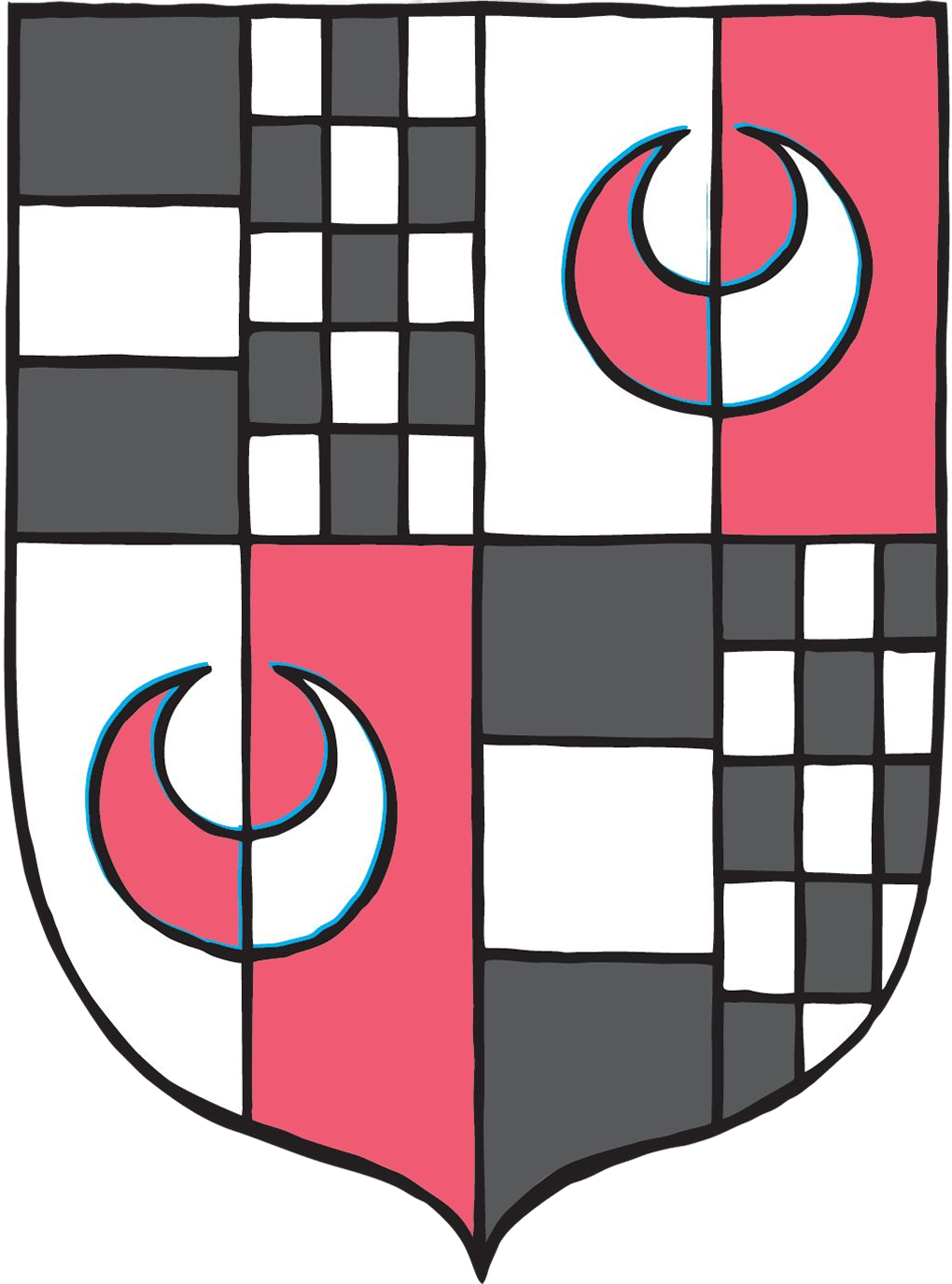
When his father Pankraz died, Trojan II was only one year old. His uncle Volkhard took responsibility for him and his siblings. After Volkhard’s death in 1510, the fifteen-year-old Trojan assumed responsibility for the family’s affairs and obligations.
In 1520, he married Anna of Egkh-Hungerspach, a member of a prominent Carniolan noble family that was still in the early stages of its rise. Through the marriage, Trojan received a substantial dowry, along with a special gift from his father-in-law, while Anna’s family strengthened its ties to the long-established Auersperg lineage.
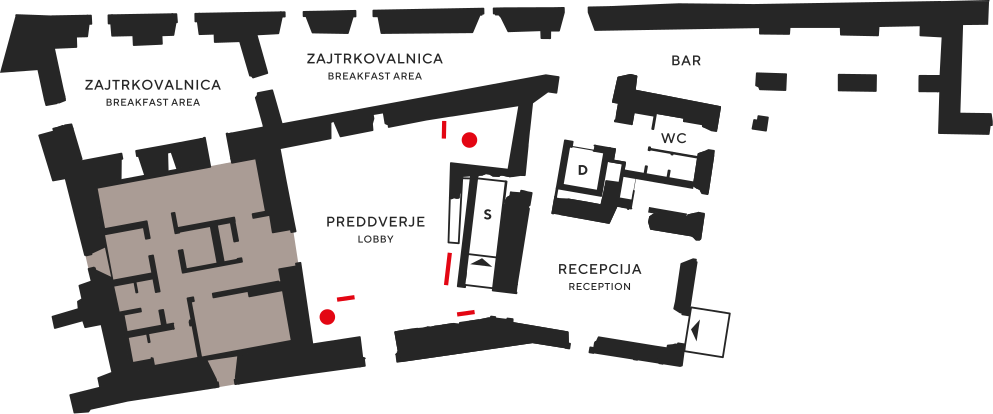
Trojan and Anna settled in Vienna, where they raised their nine children in the new Protestant faith. Although they did not live at Turjak Castle, it was Trojan who initiated its extensive reconstruction, during which the castle began to acquire its imposing Renaissance fortifications.
More about the family of this enterprising young nobleman
First half of the 16th century: rebuilding the castle and renewing the faith
An Auersperg at the Viennese Court
Trojan of Auersperg became involved in political life at an early age. In 1519, he was chosen as one of the two representatives of Carniola sent to pay homage to the newly proclaimed Emperor Charles V in Spain.
After marrying Anna von Egkh-Hungerspach in 1520, he continued his career in Vienna as an imperial councillor. In 1529, when Vienna was besieged by the Ottoman army of Suleiman the Magnificent, Trojan is said to have distinguished himself in the city’s defence. In 1535, he was appointed governor of Lower Austria.
The First Protestant Among the Auerspergs
In Vienna, Trojan became the first member of the family to encounter Protestant teachings. He raised his children in the new faith and was sympathetic to the spread of Protestant ideas within his Carniolan estates.
The children of Trojan of Auersperg and Anna von Egkh-Hungerspach left a lasting mark on the family’s historical memory. Among their daughters, Polyxena (1524–1568) stands out, while the most renowned of their sons was Herbard VIII (1528–1575), who fell in battle and was remembered as one of Carniola’s enduring heroes of.
Rebuilding Turjak Castle
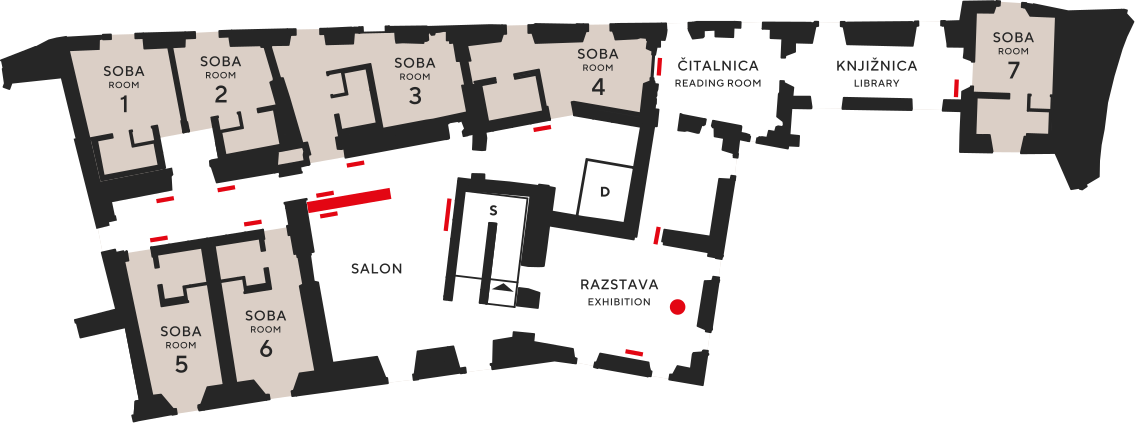
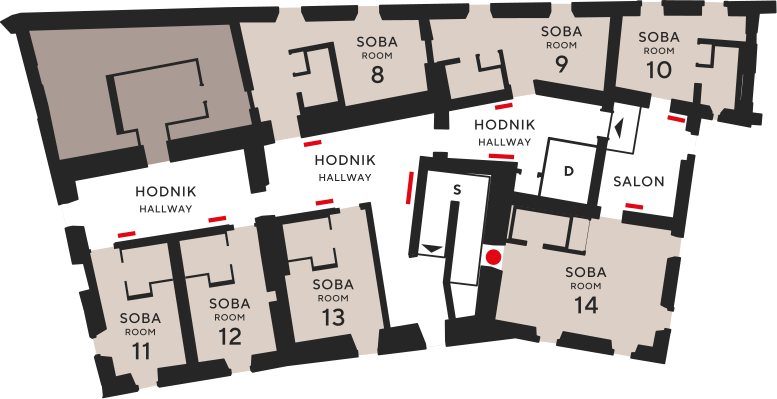
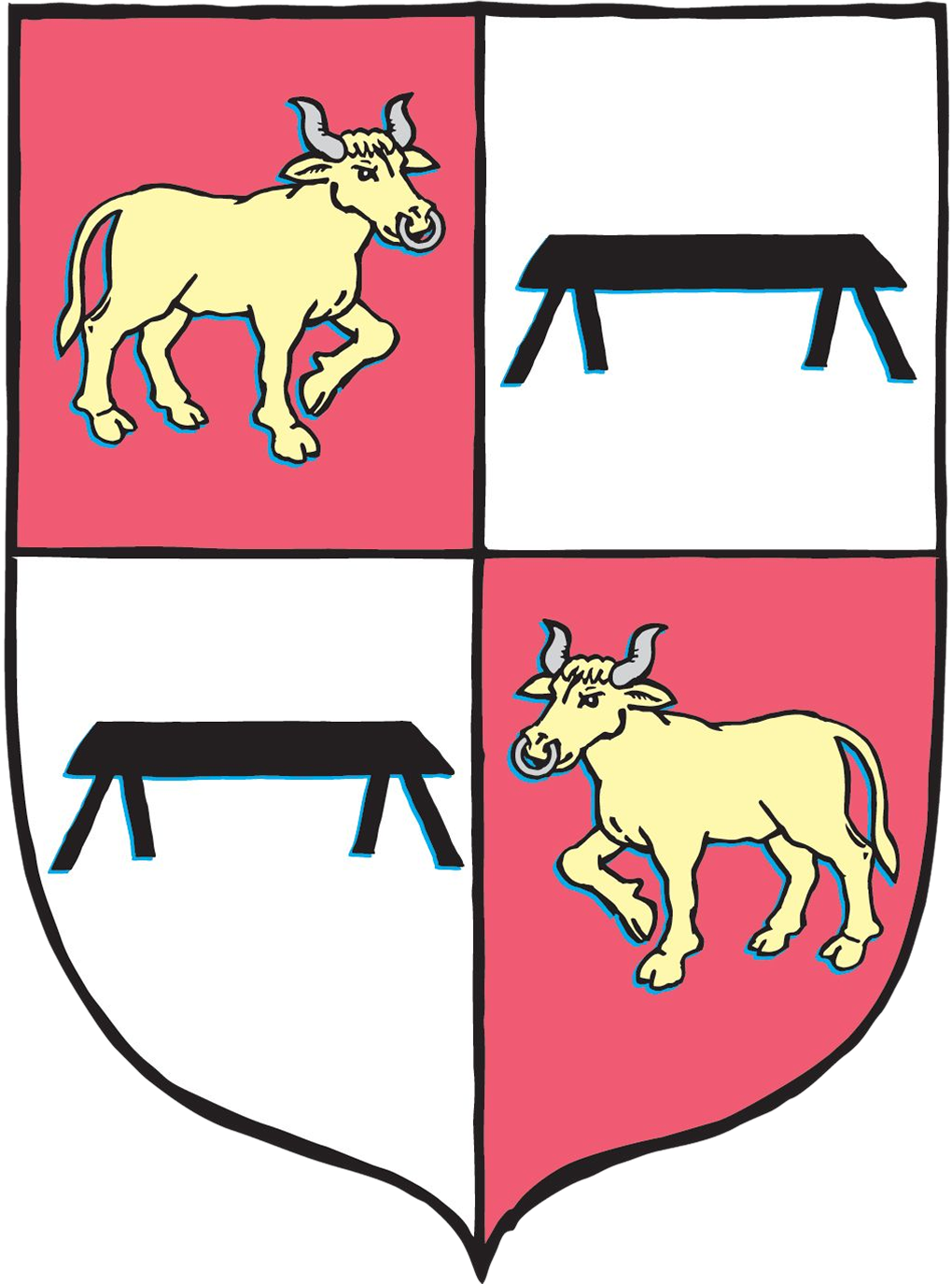
Although he no longer resided at Turjak, Trojan never forgot his ancestral castle. Following the earthquake of 1511 and the great peasant revolt of 1515, he undertook an extensive rebuilding campaign. Today, it is commemorated by a relief plaque set into the wall of the Ox Tower. Beneath the image of the aurochs, Trojan had the following inscription carved: “In the Year of Our Lord 1067, Lord Konrad of Auersperg began the construction of Turjak. After the earthquake of 1511, it lay in ruins. But I, Trojan of Auersperg, hereditary High Chamberlain of Carniola and the Slovene March, had it demolished to its foundations and began to rebuild it anew in the year 1520.”