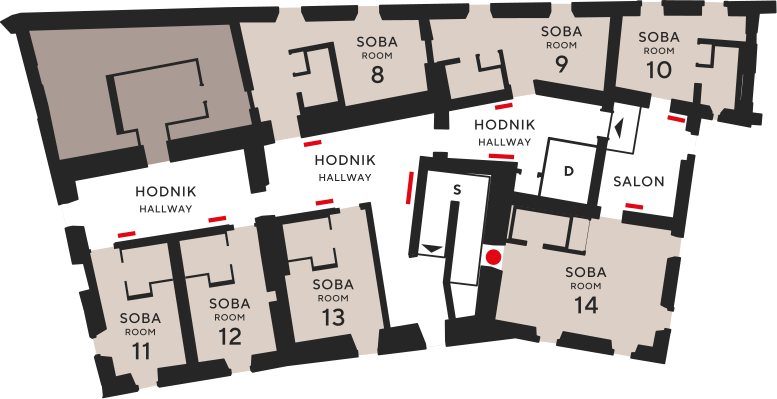
The Grand Design: Family
Behind the high walls of Turjak Castle, a carefully orchestrated family strategy unfolded. The nobility did not rule through arms and land alone – their power was strengthened through marriage alliances and inheritance, through the upbringing of their descendants, and through the style of their everyday lives.
The family itself was a project, shaped by political alliances, privileges, and the careful planning of the dynasty’s future.
Domestic life became an essential foundation of political continuity. It was here that an intimate architecture of power took shape. Space itself was not merely a reflection of personal taste, but an instrument of authority and a building block of governance. The castle – this imposing physical structure – thus reveals deeper, often invisible mechanisms of power.
Living quarters, offices for decision-making, galleries of ancestors, and even objects of everyday use reveal how closely intertwined the private and the public, the intimate and the political once were. Within these spaces, stories were created that did not simply reflect power, but actively produced it – through memory, representation, and the careful shaping of the family’s public image.
In its very layout, Turjak Castle reflects a deliberately constructed system of relationships. Within this system, family ties, cultural influence, and historical memory together shaped one of the most influential noble dynasties in this region.
About the Auerspergs
01
A Guardian of Law and a Lady of the Court
02
A Deputy Governor and a Lady of the Court
03
Family Partition
04
A Tribute to a Croatian Noblewoman
05
A Patron of Renewal and a Lutheran Noblewoman
06
A Hero and a Reformer

08
A Convert and the “Mysterious Baroness”
09
A Comital Couple with a Palace in Ljubljana
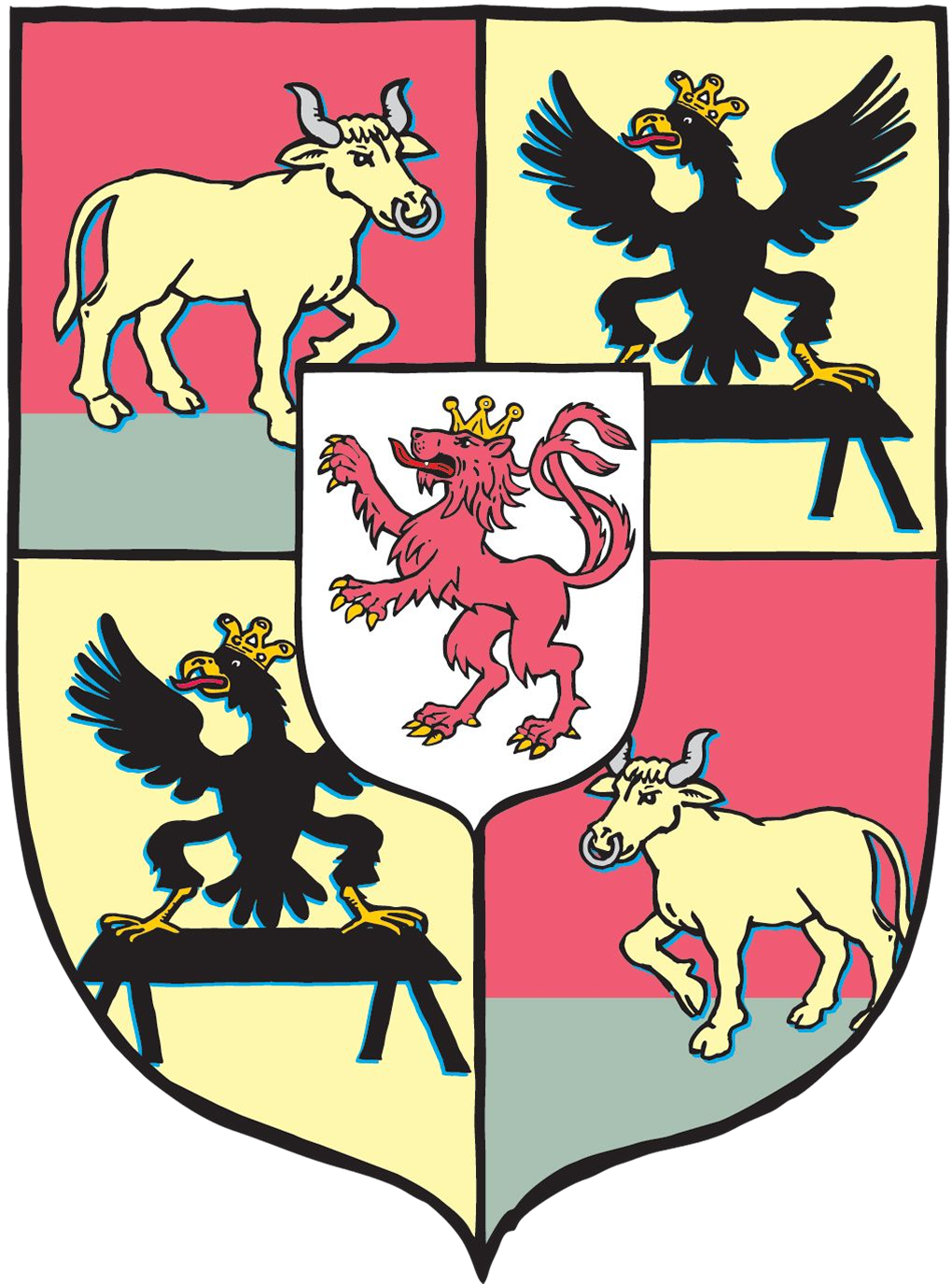
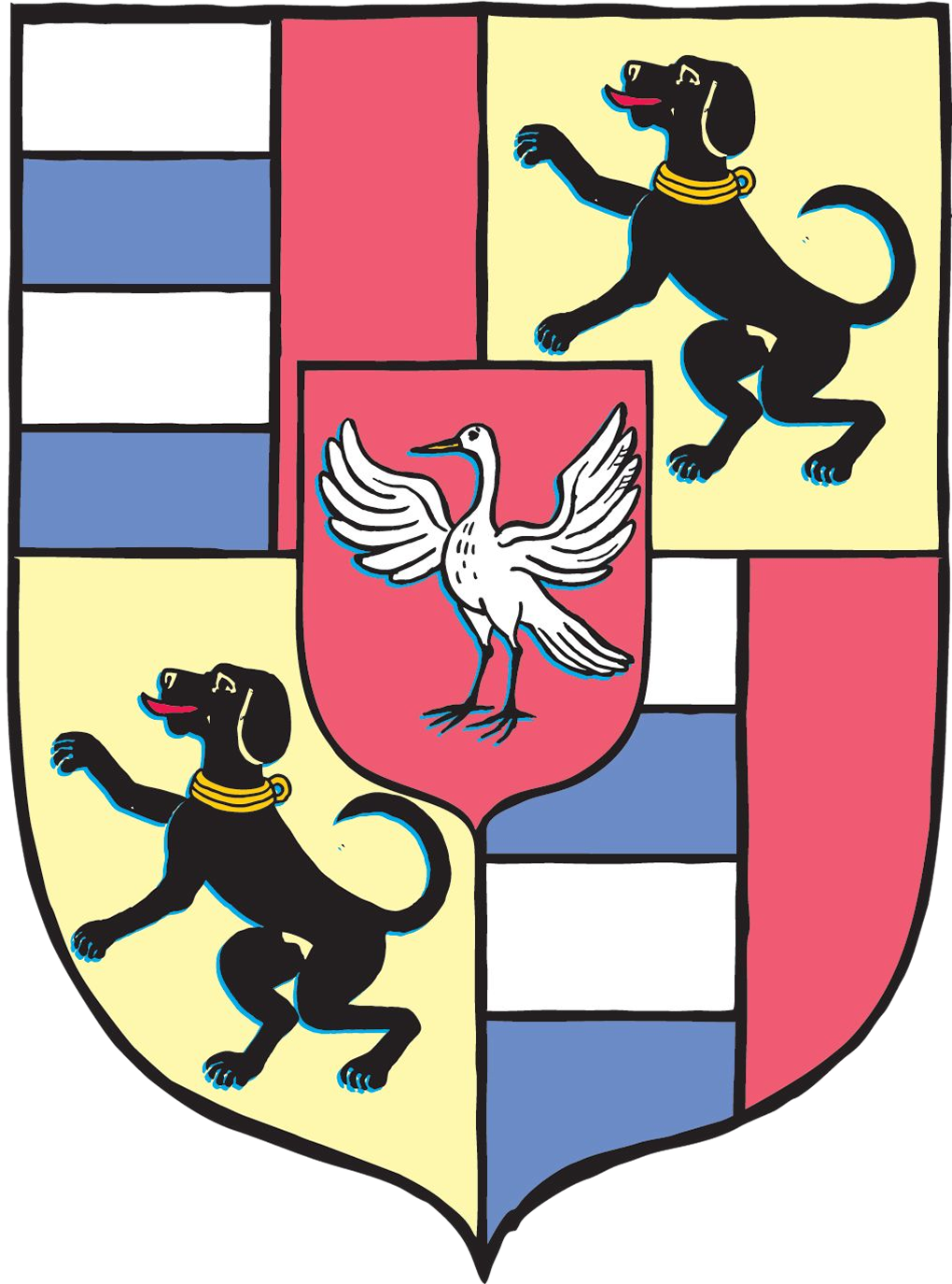
10
The First Princely Couple of the Auersperg Family
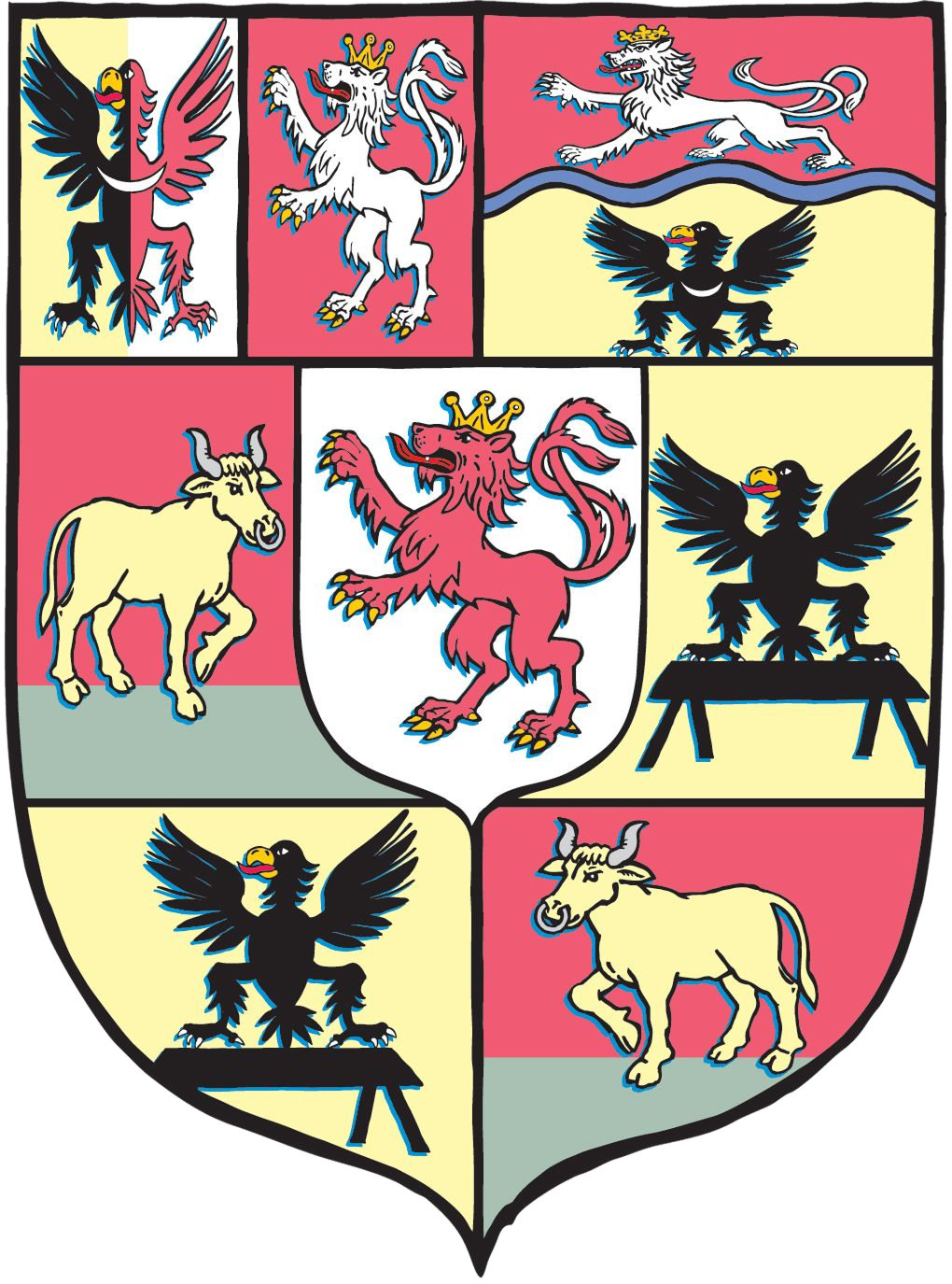
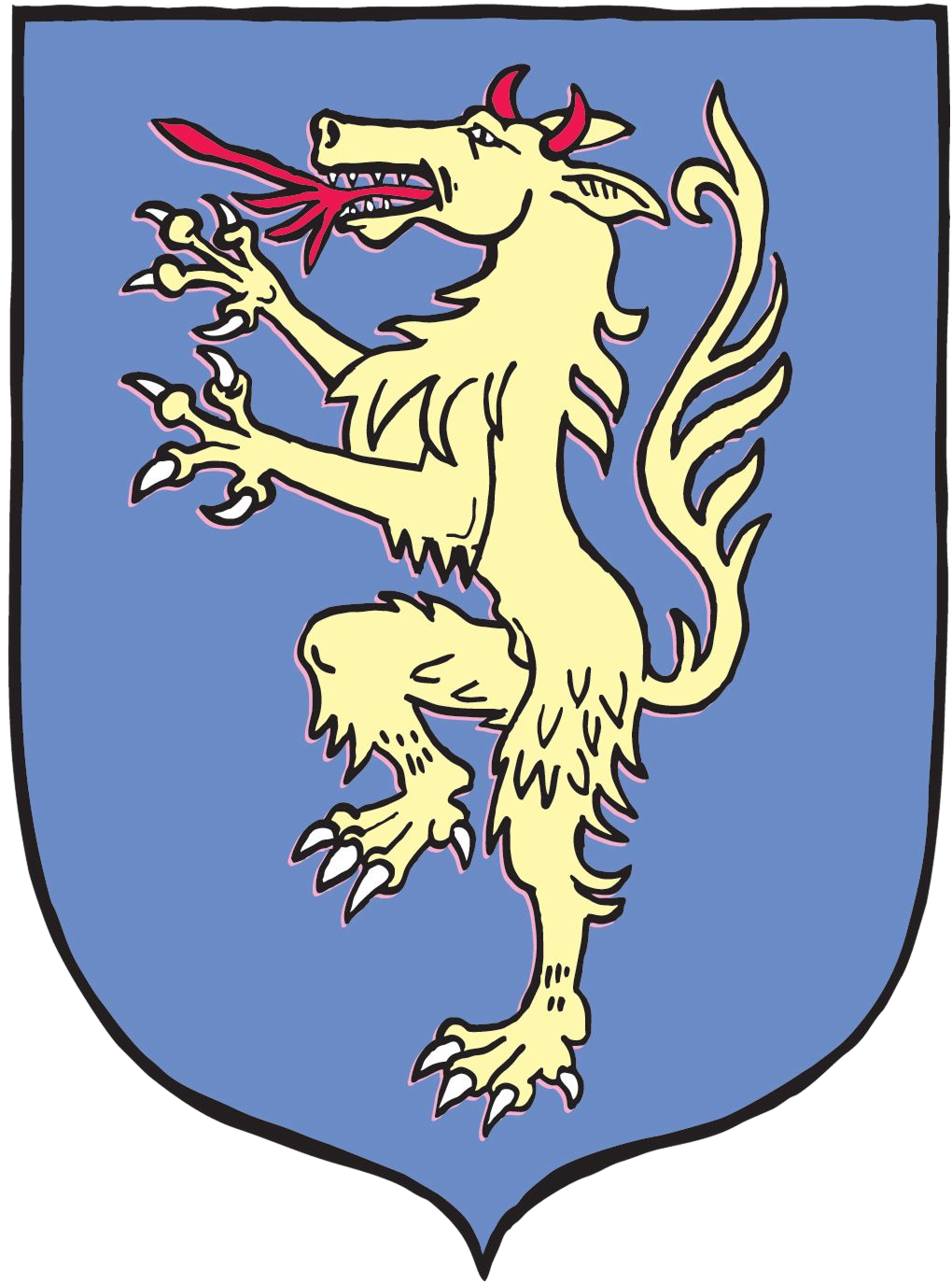
11
Three Heirs to an Indivisible Estate

12
The Poet of Romanticism
13
An Auersperg Heart: The Volunteer
14
The Last Auerspergs at Turjak Castle