The Poet of Romanticism
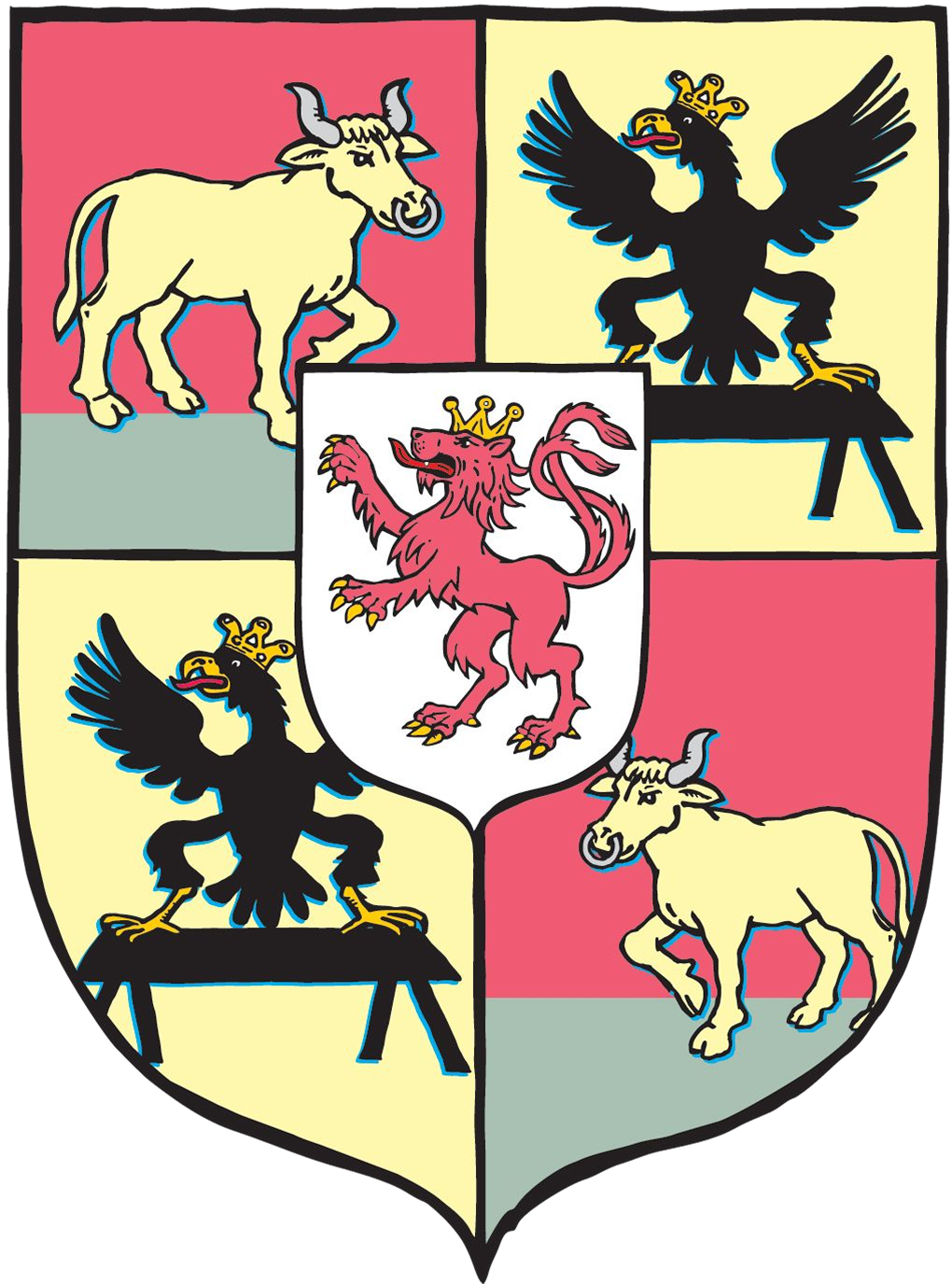
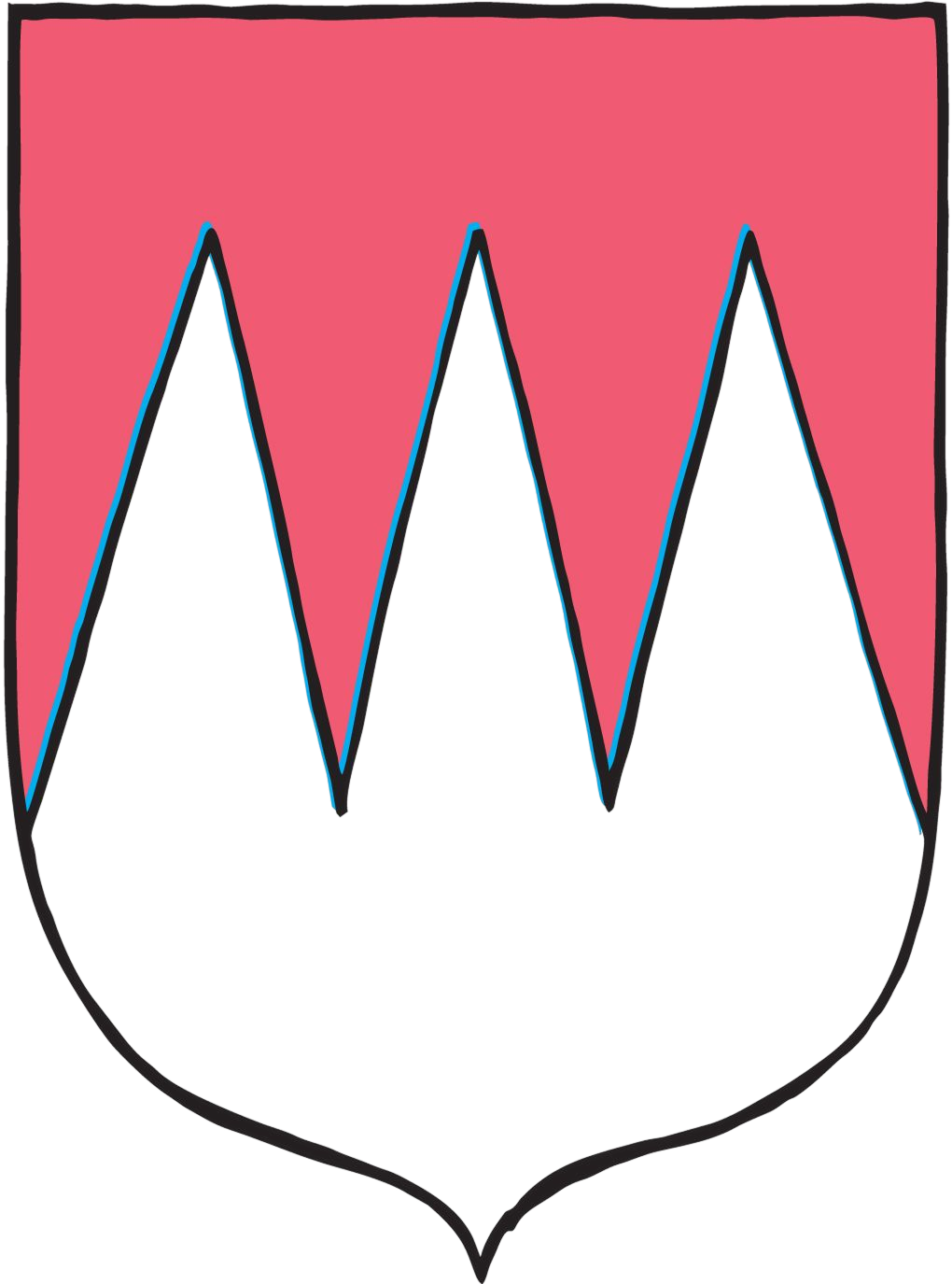
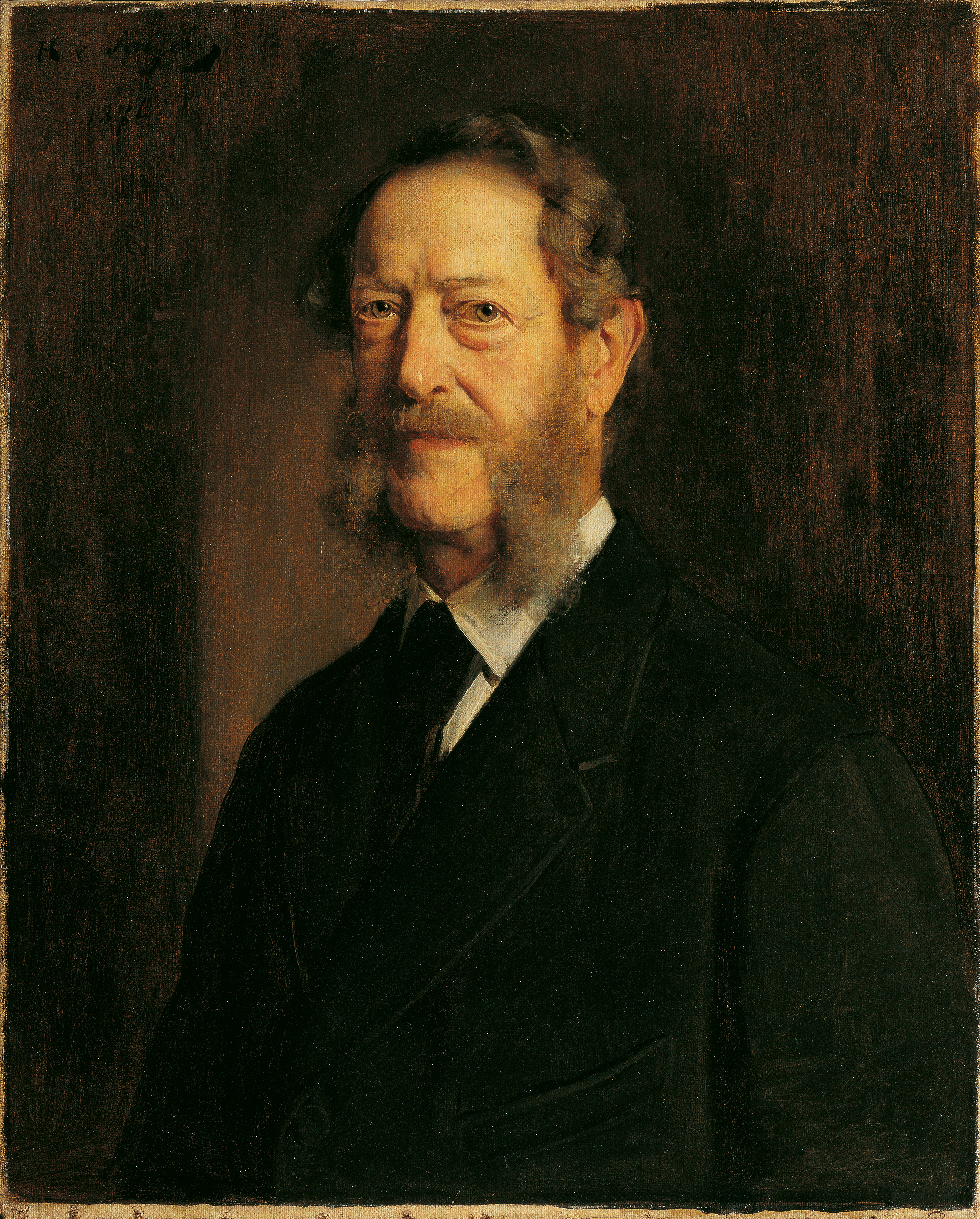
Count Anton Alexander of Auersperg, better known by his pen name Anastasius Grün, is one of the most prominent members of the Auersperg family. His collection Spaziergänge eines Wiener Poeten (Strolls of a Viennese Poet, 1831) brought him fame as an independent-minded critic of absolutism and a supporter of liberal ideas.
While studying in Vienna, the young count became acquainted with the Slovene poet France Prešeren, one of the key figures of Romantic poetry. They read forbidden literature together and exchanged ideas that influenced their own writing.
In the second half of the 19th century, Grün was an important figure in Carniola’s German-speaking political circles and played a role in shaping Slovene-German relations. After the March Revolution of 1848, he supported the idea of a unified Austria and Germany. He defended German national positions and opposed Slovene demands for equal rights.
More about the poet and his complex relationship with his homeland
First half of the 19th century: layers of duality
Count Anton Alexander Auersperg – Anastasius Grün belonged to the Carniolan branch of the Auersperg family, originating from Turn Castle (Šrajbarski turn) near Leskovec pri Krškem. His life and work in the 19th century left a significant imprint on both the cultural and political history of the Habsburg Monarchy.
In 1839, he married Countess Maria Attems from Slovenske Konjice. While Anton Alexander became increasingly active in politics after 1848, his wife Maria devoted herself to painting. She was a recognised artist of still lifes and interior scenes, and her works are today held in the National Gallery and the National Museum of Slovenia, as well as in the Joanneum in Graz.
Liberal Inspirations
In his early twenties, he began writing original poetry and collecting Slovene folk songs, which he translated into German. These were published in 1850 under the title Volkslieder aus Krain (Folk Songs from Carniola). He initially published under his real name, but from 1830 onwards used the pseudonym Anastasius Grün. That same year, he travelled through Germany, Switzerland, Tyrol, and France, where he witnessed the July Revolution in Strasbourg.
This journey inspired his poetry collection Spaziergänge eines Wiener Poeten (Strolls of a Viennese Poet, 1831), which upon publication received recognition from leading Romantic poets, politically engaged authors, and especially the German liberal bourgeois public. While this first collection brought him fame, his later works did not achieve the same success.
Homeland as an Ethnographic Curiosity
His relationship with his “Slovene brothers” was complex. A native of Ljubljana and a school friend of France Prešeren, who teasingly nicknamed him Anastasius Greenhorn (Zelenec), he felt a strong attachment to his homeland, the Carniola region. However, he viewed it from a Romantic perspective and regarded the Slovene-speaking population mainly as a cultural curiosity rather than an equal political or cultural community. When confronted with demands for such equality, he replied that they should accept that their “land lies within the German cultural sphere.”
His 1848 address An meine slowenischen Brüder (To My Slovene Brothers) marks his break with the Slovenes, who were only then beginning to enter the political arena. In the years that followed, his political stance often stood in opposition to Slovene aspirations. He advocated a pan-German national position and repeatedly opposed demands for equality, including in 1866, when he resisted the introduction of Slovene as a language of instruction in schools.
Posthumous Reception
Anton Alexander Auersperg died in Graz in 1876. Ten years later, in 1886, German-speaking circles in Ljubljana unveiled a commemorative monument opposite the Auersperg Palace and at the edge of the garden of his birthplace. The unveiling met with vocal Slovene opposition, and the monument was repeatedly vandalised until it was finally removed after the collapse of the Monarchy in 1918.
The branch that owned Turn Castle became extinct shortly after Grün’s death. Their only heir, his son Theodor, suffered a fatal injury after falling from a horse in 1881. In 1884, the estate passed to Count Erwin Auersperg of Turjak, who sold it in 1903.
A Legend
A legend is associated with the beginnings of his life according to which his father had a cradle made from the wood of the tree beneath which he had once met his first love, a woman considered socially unsuitable. Under pressure from his family, he is said to have married a more appropriate bride instead, while the rejected lover allegedly requested that the cradle be made for their firstborn son. Whether this story influenced the young Anton Alexander, if he knew it at all, remains uncertain; what is known is that the family preserved the cradle with great care.