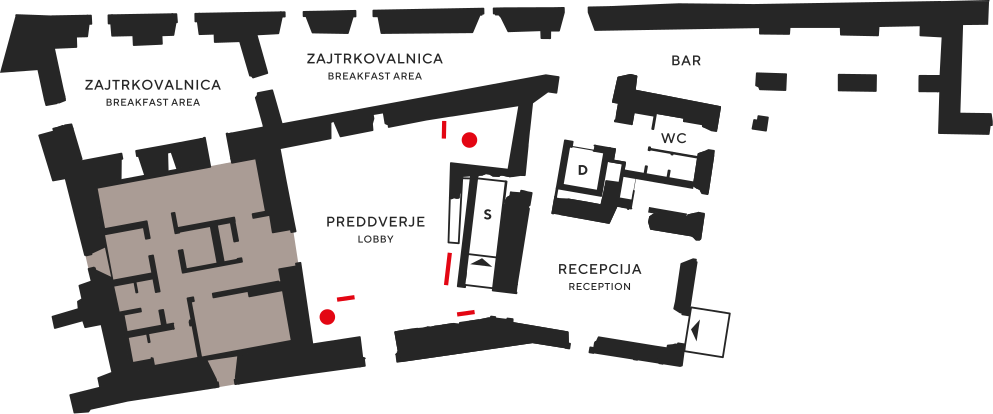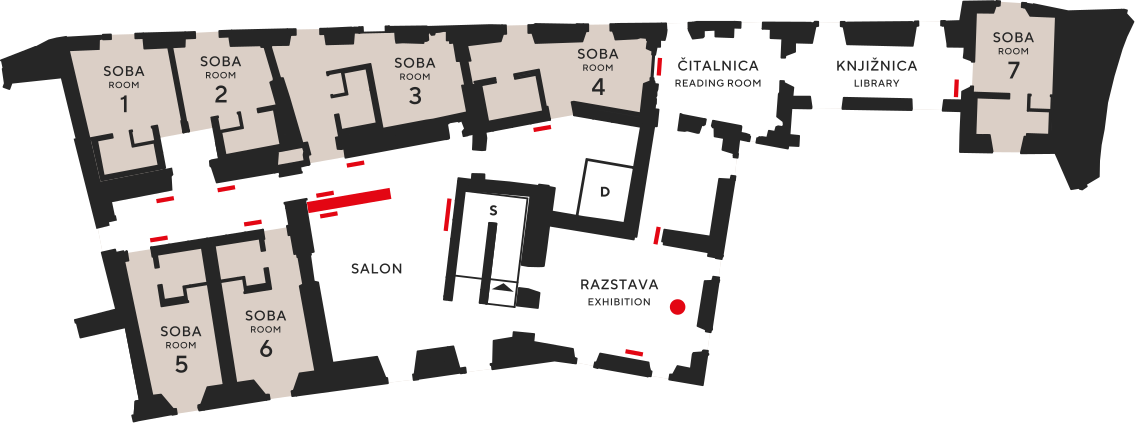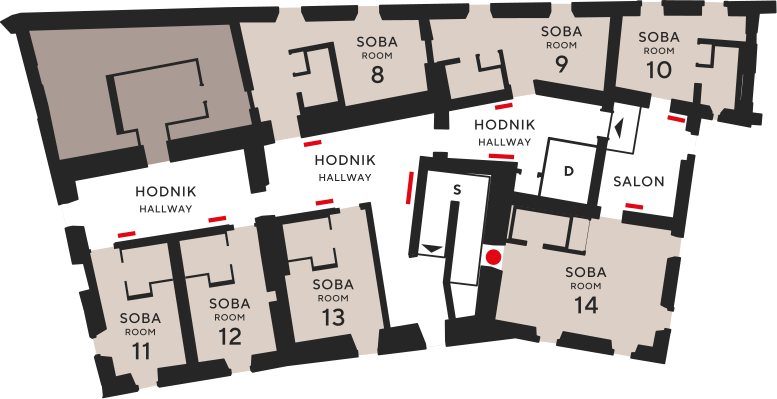
Corridor of Heroes
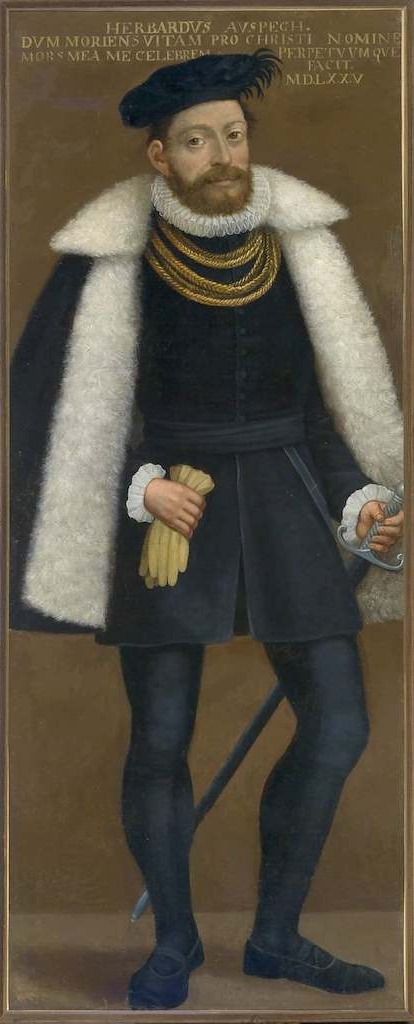
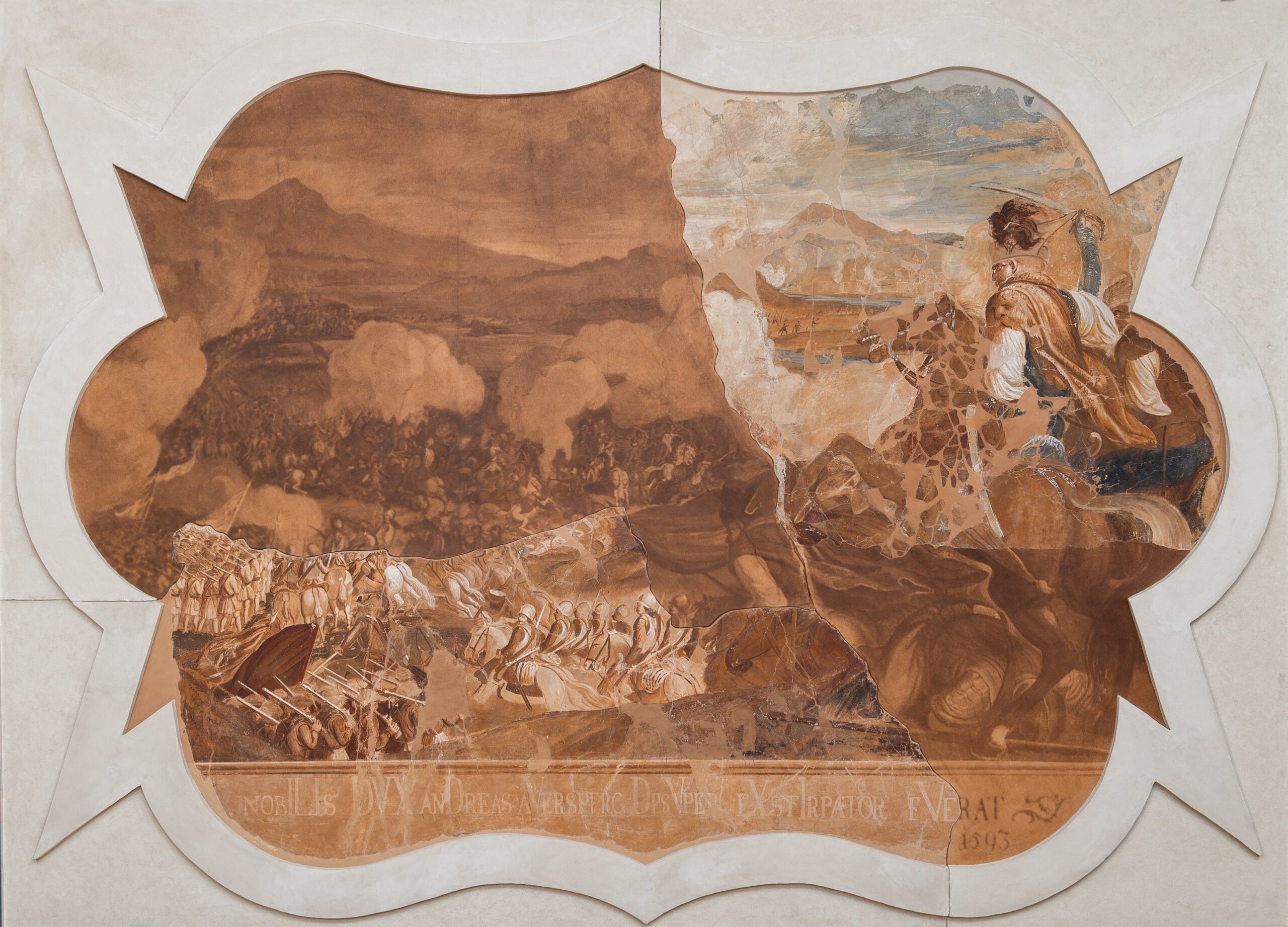
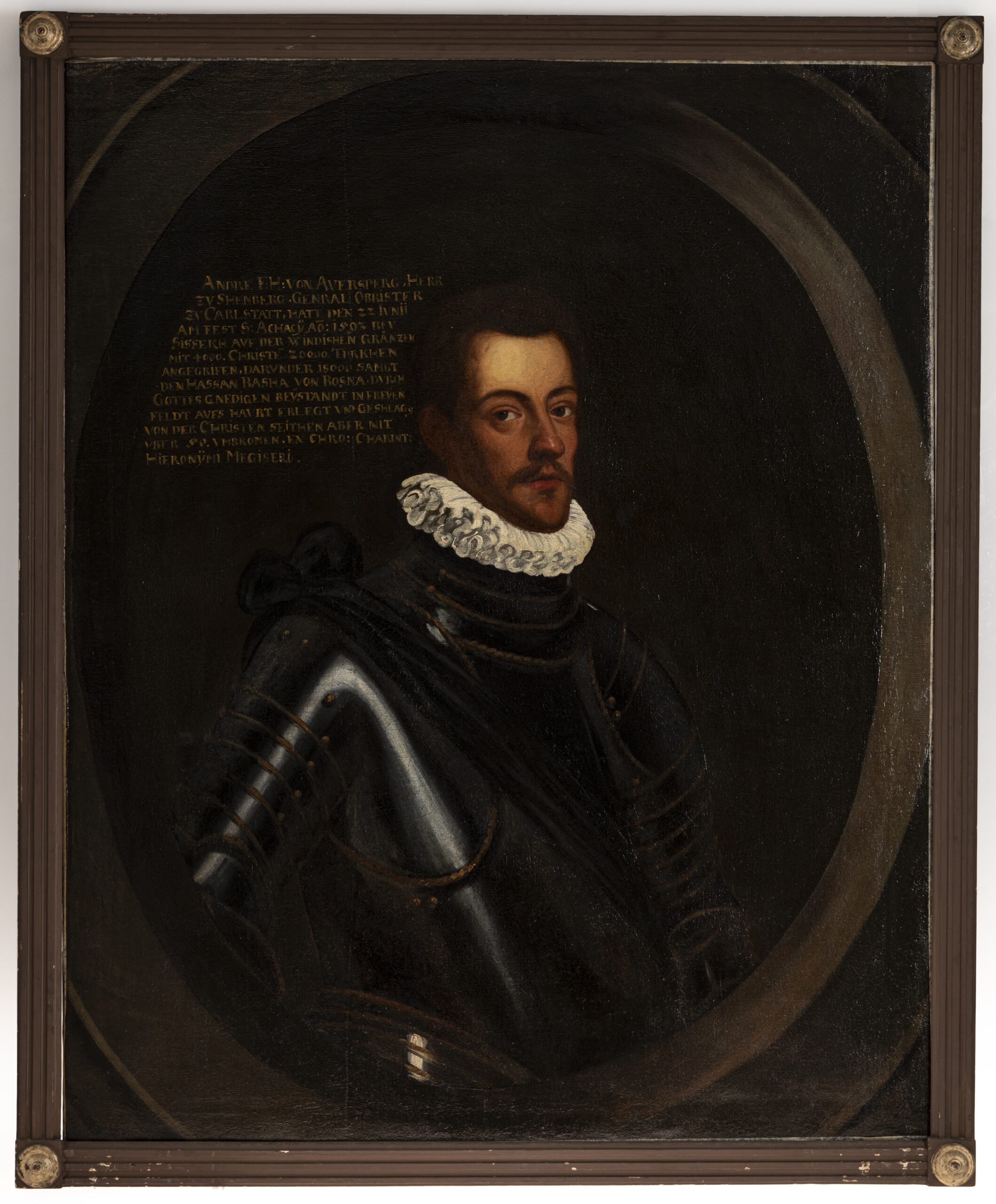
A fresco of the Battle of Sisak, together with portraits of Herbard VIII and Andreas of Auersperg, captures moments in which history seems frozen in heroic time. The scenes are linked to the centuries-long conflicts between the Ottoman Empire and the Habsburg lands.
Rather than documenting individual events, these works reflect the gradual formation of a myth of knightly heroism. Within the Auersperg family, this myth became a lasting element of their identity.
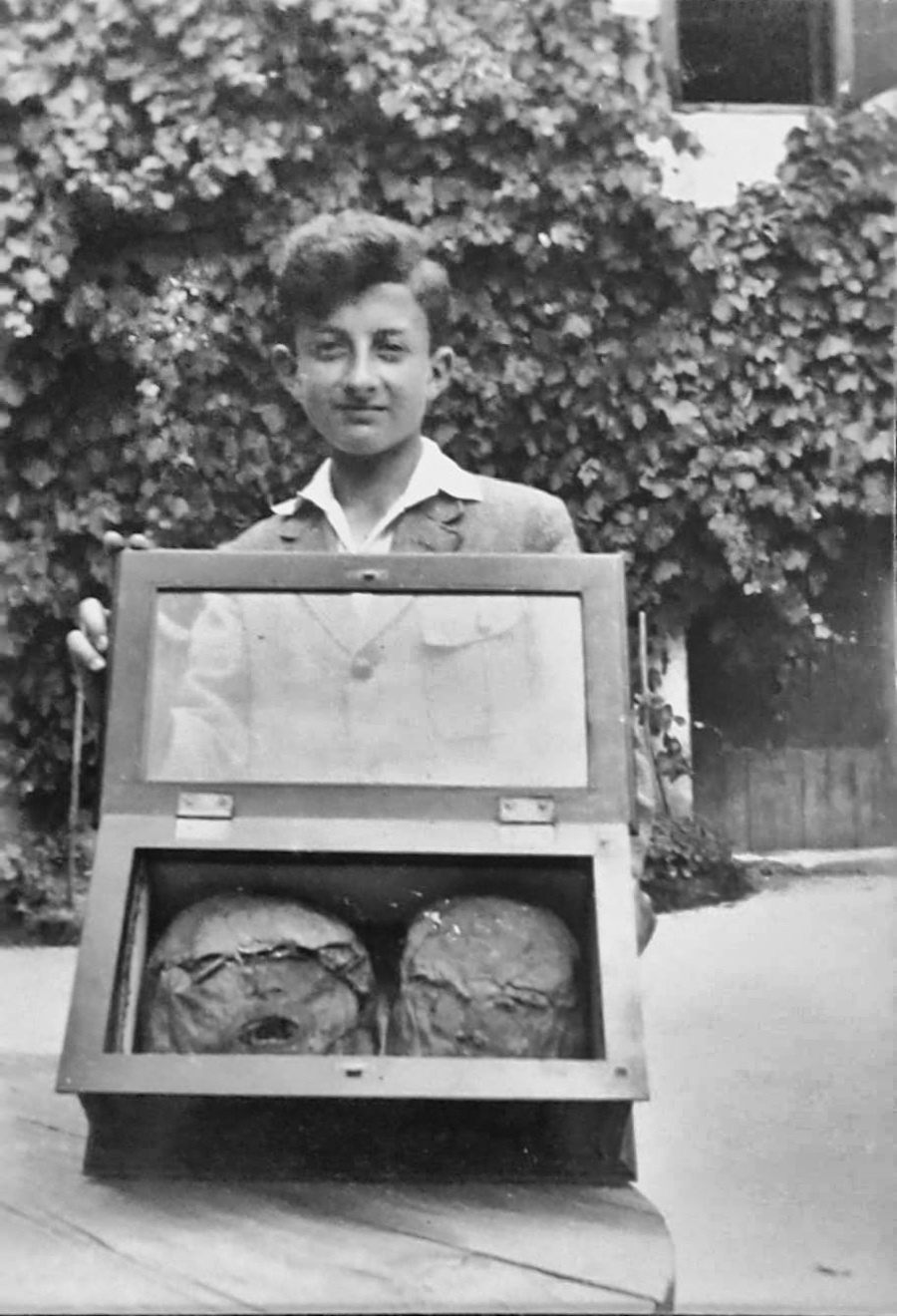
Particularly vivid in the family’s memory is the fate of Herbard of Auersperg and Friderik of Višnja Gora, who were beheaded after the Battle of Budačko in 1575. Their heads were purchased by relatives and preserved at the castle as relics for centuries.
Equally significant for the family was the Battle of Sisak in 1593. The key role played by Andreas of Auersperg became a central point in the family narrative, passed down from generation to generation. These stories strengthened the Auerspergs’ self-image as one of the leading noble families of the Habsburg world.
Learn more about the events that turned two Auersperg heroes into symbols of the empire’s defence
Defence of the empire against Ottoman attacks
The Battle of Budački and the Death of Herbard Auersperg (1575)
Herbard Auersperg distinguished himself on the southern frontier of the Empire in the wars against the Ottoman Turks. He achieved particular success in cooperation with Count Petar Erdődy, Croatian Ban, with whom he secured victories at Novigrad, Kostajnica, and in the Sanjak of Pojega. In recognition of his service, the Emperor appointed him in 1566 as Governor of Carniola and commander-in-chief of the Croatian and Slavonian Military Frontier.
His tragic death soon became legendary. On 22 September 1575, near Budački on the River Radonja (today Donji Budački, around 15 km south of Karlovac), he became engaged in combat with Ottoman forces, which completely annihilated his unit. Several noblemen, including Auersperg himself, were killed, while the survivors were taken prisoner and sent to Constantinople. Among the captives was his son, Wolf Engelbert. The Ottomans beheaded Herbard and his relative Friderik of Weichselberg and displayed their heads as trophies.
They later demanded a high ransom for the heads and for the captive Wolf Engelbert; the ransom money was used to build the Ferhadija Mosque in Banja Luka, named after Ferhad Pasha, the Ottoman commander of the battle.
Herbard Auersperg was buried in the Protestant church of the Ljubljana hospital, where he was given an elaborate monument. The two severed heads were preserved by Auersperg family in the castle until the Second World War.
The Battle of Sisak and the Carniolan Achilles
After a few years of peace, Ottoman forces once again advanced toward the western Balkans. In 1589, Andreas Auersperg assumed command of the Military Frontier. The culmination of these conflicts was the Battle of Sisak. On 22 June 1593, a united Christian army defeated Ottoman forces under the command of Hasan Pasha Predojević, despite being outnumbered by three to one.
Andreas Auersperg commanded approximately 300 cavalrymen from Karlovac and played an important role in the battle, which halted the Ottoman advance toward the West. He soon became known as the “Carniolan Achilles”.
The victory at Sisak resonated widely across Europe. A Te Deum was sung in Prague, and Pope Clement VIII personally praised the commanders. Andreas Auersperg died unexpectedly shortly after the battle, at the age of 37.
Over time, a myth of a Slovene victory at Sisak developed, becoming part of national historical memory. The battle inspired numerous literary and artistic works, from Jesuit dramas to poems by Anton Aškerc. Saint Achatius, whose feast day coincides with the date of the battle, became the patron saint of Carniola.
To this day, the memory of the battle symbolises the end of the greatest Ottoman threat to the Slovene lands.