The Achilles of Carniola
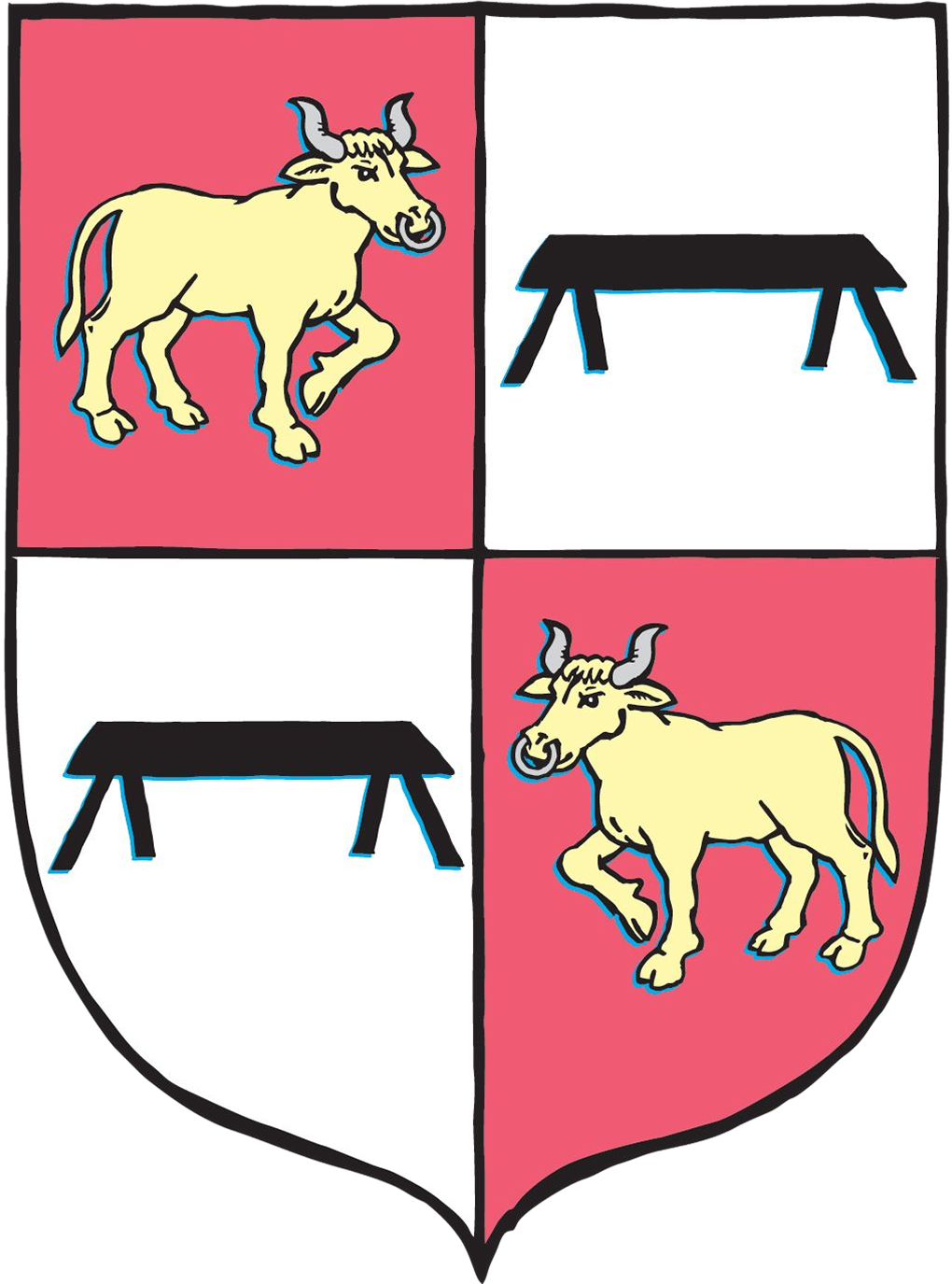
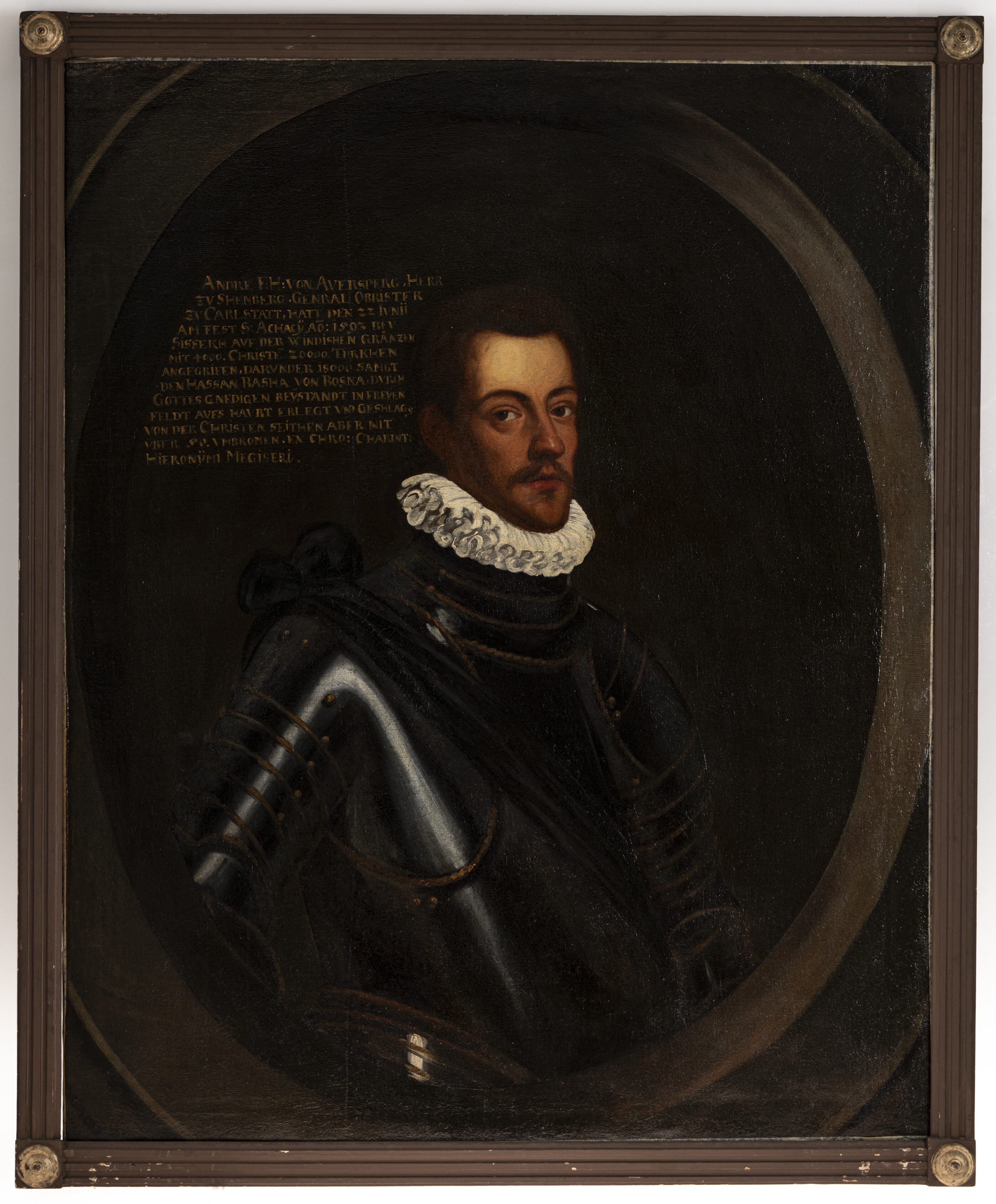
Born at Žužemberk Castle, Andreas of Auersperg entered military service in his early twenties. By 1589, he had been appointed commander-in-chief at the Military Frontier, the border region of the Habsburg lands facing the Ottoman Empire. His successes in campaigns against Ottoman forces earned him the nicknames “the Carniolan Achilles” and “the Terror of the Turks.”
In 1593, at the confluence of the Sava and Kolpa rivers, Christian forces achieved their first major land battle victory over the Ottoman Empire. Although Andreas was only one of several commanders, he was personally praised by Pope Clement VIII, and in Slovene historical memory his name became closely associated with the victory in the battle of Sisak.
Just a few months after the battle, Andreas of Auersperg died unexpectedly. The date of the victory, 22 June, was commemorated by the Auersperg family until the mid-20th century. On this day, the feast of St Achacius is celebrated, who – out of gratitude for the victory – became the patron saint of Carniola.
Learn more about the most famous Auersperg
Second half of the 16th century: victories of Christian confidence
Commander of the First Major Land Victory
Andreas of Auersperg, like his brother Johann and his kinsman Herbard VIII, entered military service at an early age. By 1578 he was serving in the Military Frontier, and in 1589 he rose to commander-in-chief, a post previously held by both his brother and Herbard.
His most demanding military challenges still lay ahead. During a new phase of Ottoman offensives led by the Bosnian beylerbey Hasan Pasha Predojević, pressure on the Military Frontier intensified, and Andreas, commander-in-chief, found himself at the centre of the defence.
Hasan Pasha aimed to secure control of the region by taking Sisak. In June 1593, an Ottoman force of around 12,000 men advanced towards the city. On 22 June, on the feast of Saint Achatius, the Habsburg forces achieved a decisive victory at the confluence of the Sava and Kolpa rivers, defeating an Ottoman army that outnumbered them three to one.
The victory resonated across the Empire and Europe. In Prague, Emperor Rudolf II ordered a celebratory Te Deum to be sung. The victory’s significance was above all psychological: following Lepanto, it was only the second major victory over the Ottoman Empire, and the first significant land victory of the conflict. Yet it did not alter the balance of power. Only two months later, the Long Turkish War between the Holy Roman Empire and the Ottoman Empire (1593–1606) began.
A Source of New Confidence and Pride
Andreas of Auersperg became widely recognised in the Slovenian lands as the victor of the Battle of Sisak. The fame he enjoyed for centuries may also have been strengthened by his untimely death. He died unexpectedly only a few months after the great victory.
Like Herbard before him, Andreas became a figure of literature and theatre, appearing in Jesuit dramas and in Anton Aškerc’s poem Mea culpa. Even Slovenia’s greatest poet, France Prešeren, referred to the Battle of Sisak in his sonnet Očetov naših imenitna dela (Great Works by Our Fathers).
The impact of the victory on the confidence of the local population is perhaps best illustrated by the story of Hasan Pasha’s cloak. It was taken to Ljubljana as part of the spoils of war and refashioned into a liturgical vestment in 1655. The bishops of Ljubljana wore it each year at a mass to give thanks on 22 June, the anniversary of the victory, a tradition that continued into the 20th century.