A Convert and the “Mysterious Baroness”
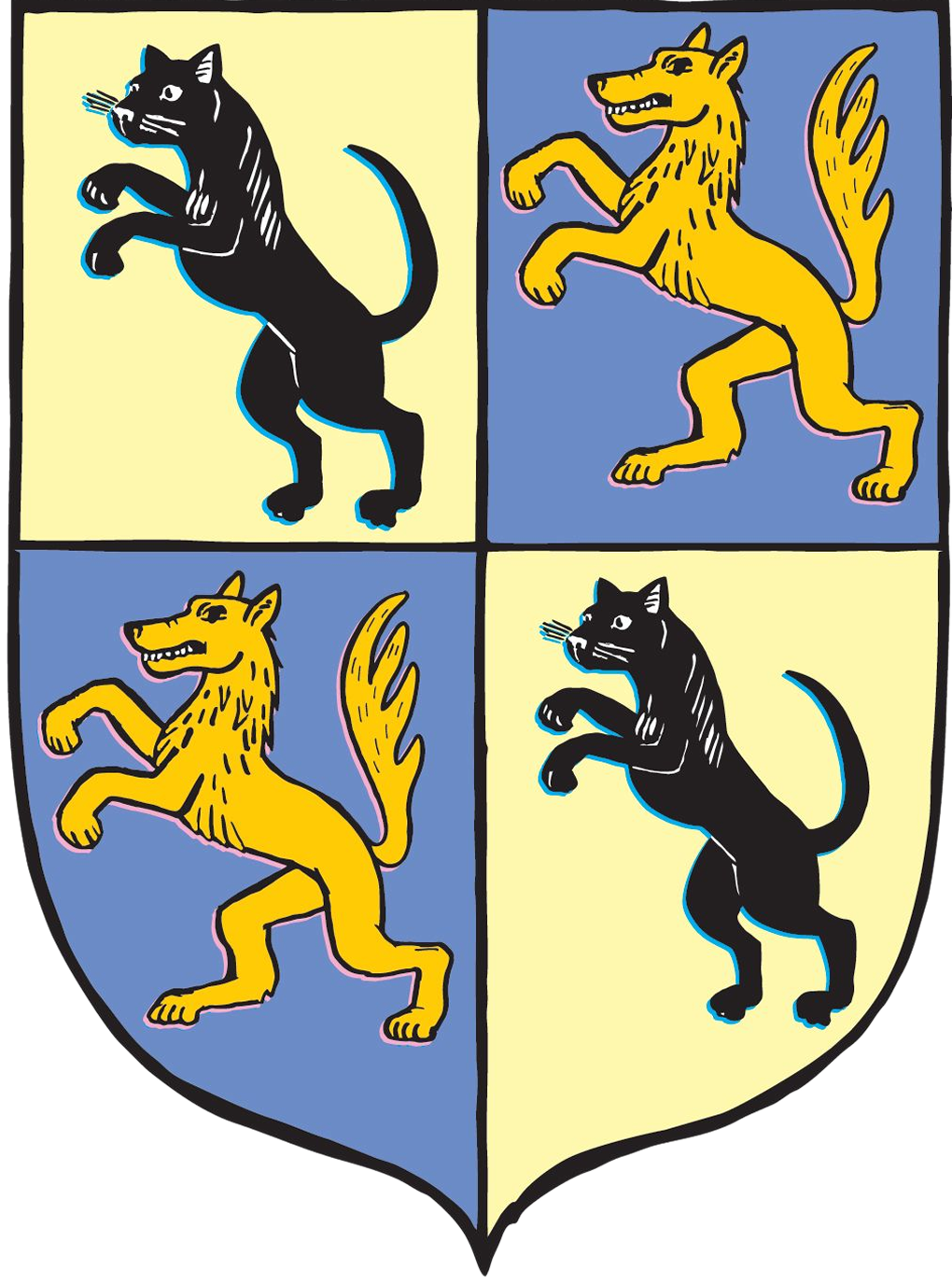
Herbard IX did not lead a life as bold or eventful as some of his more famous relatives, yet his decisions proved crucial for the continuation of the main Auersperg line.
He married relatively late. It was not until 1609 that he wed Felicitas of the Katzianer family, a noble house associated with Begunje and Smlednik. The continuation of the main Auersperg line depended largely on their marriage and the hope of a male heir. After four daughters – Anna Elisabetha, Marie Dorothea, Sidonia, and Sabine – Herbard IX and Felizitas finally had a son in 1615: Johann Andreas.
The Carniolan polymath Janez Schönleben noted in his Genealogy of the Auersperg Family, in reference to Felicitas and the birth of her son: “She bore Johann Andreas, the continuer of the line” (Hæc illi genuit Joannem Andream stirpis propagatorem).
More about the continuation of the family line and its return to Catholicism
Early 17th century: securing the line through a return to Catholicism
Counter-Reformation Influences
Herbard IX (1574–1618) was born into a Protestant family and raised in that faith. He studied in Tübingen, Strasbourg, and Padua before later serving as provincial governor. His life was shaped by two concerns: securing the continuation of the family line and resolving questions of faith within the Auersperg family. At first, he continued the Protestant zeal of his forebears and sought to spread the new faith among his subjects. In the parish of Škocjan near Turjak, he appointed Protestant preachers despite complaints from parishioners, who wished to have a Catholic priest. Such disputes likely brought him to the attention of the Counter-Reformation commission, which likewise insisted on the appointment of a Catholic clergyman.
What ultimately persuaded Herbard to return to the Catholic faith in the final years of his life will probably never be known. It may have been a vow made at the birth of a long-awaited son. Herbard’s wife Felizitas died shortly after the child was born, and two years later their children were left without a father as well. By that time, Herbard had already converted back to Catholicism. His decision may have been influenced either by concerns about securing the continuation of the family line or by pressure from the Counter-Reformation commission, possibly strengthened by his acquaintance with Bishop Tomaž Hren.
After Herbard’s death, Dietrich became guardian to his brother’s children. He commissioned the sculptor Janez Faust to create gravestones for the family – perhaps including the one of the mysterious noblewoman now displayed on the ground floor of the palatium, in whose features some have recognised those of his sister-in-law, Baroness Felizitas.