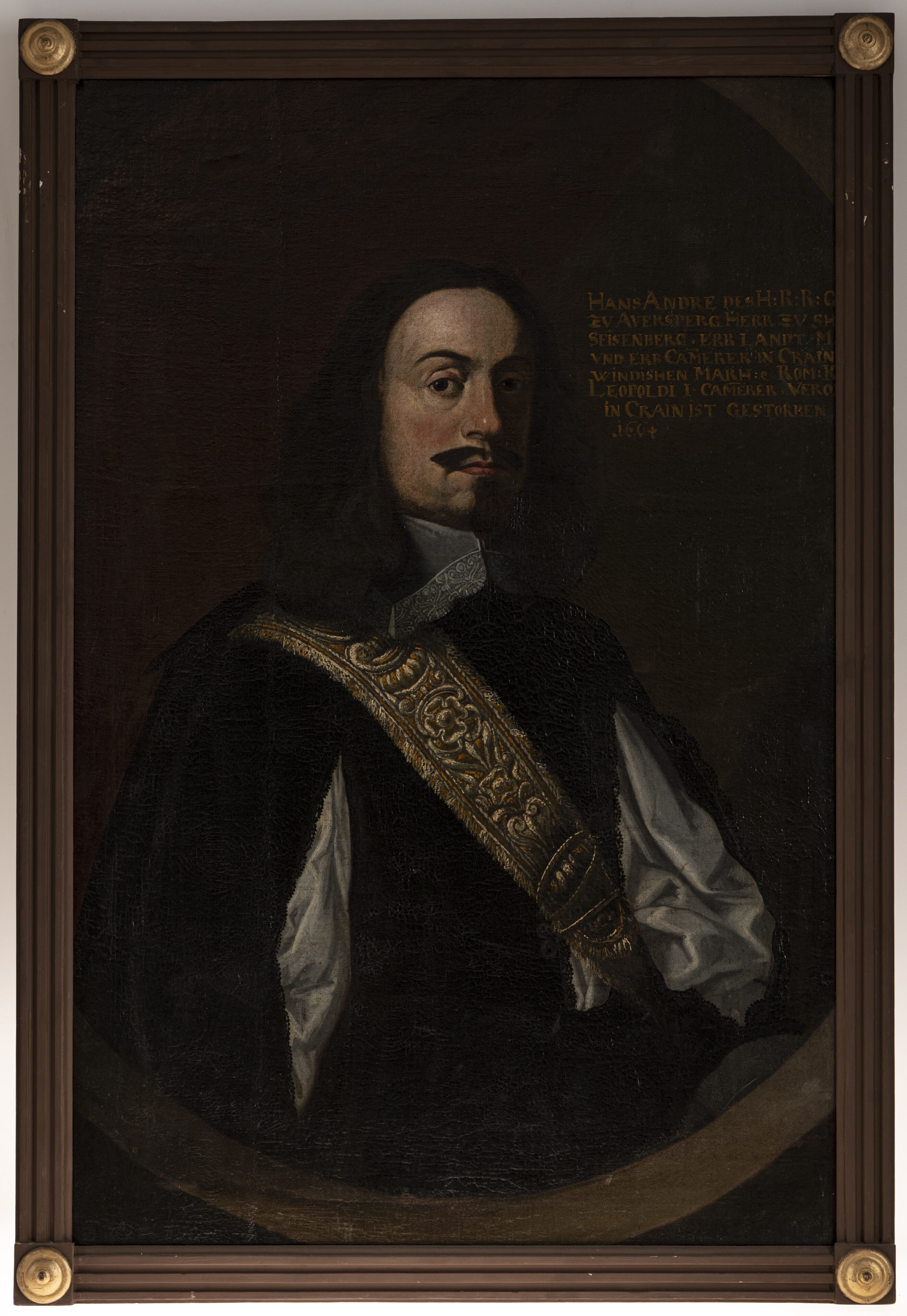
A Comital Couple with a Palace in Ljubljana
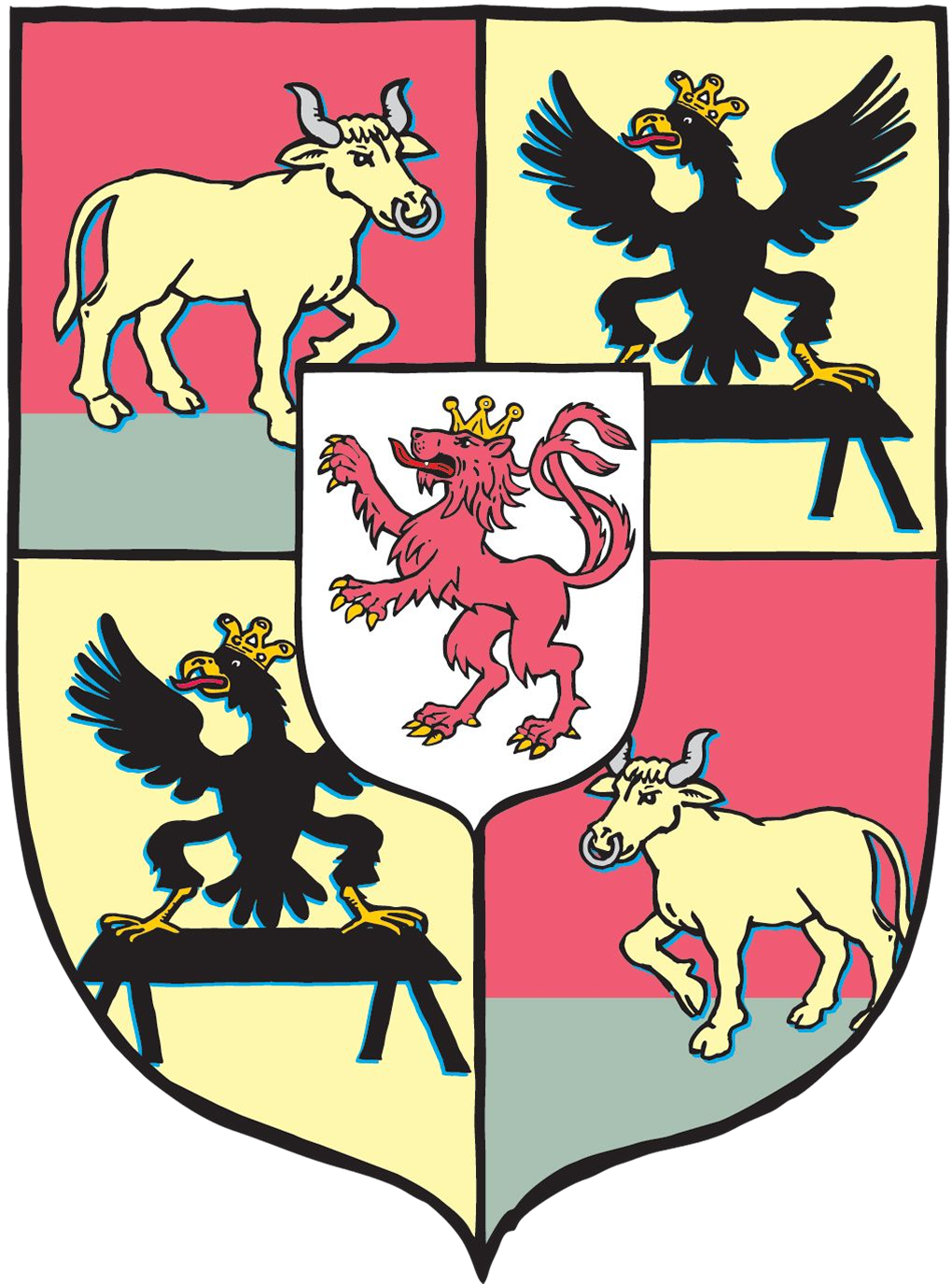
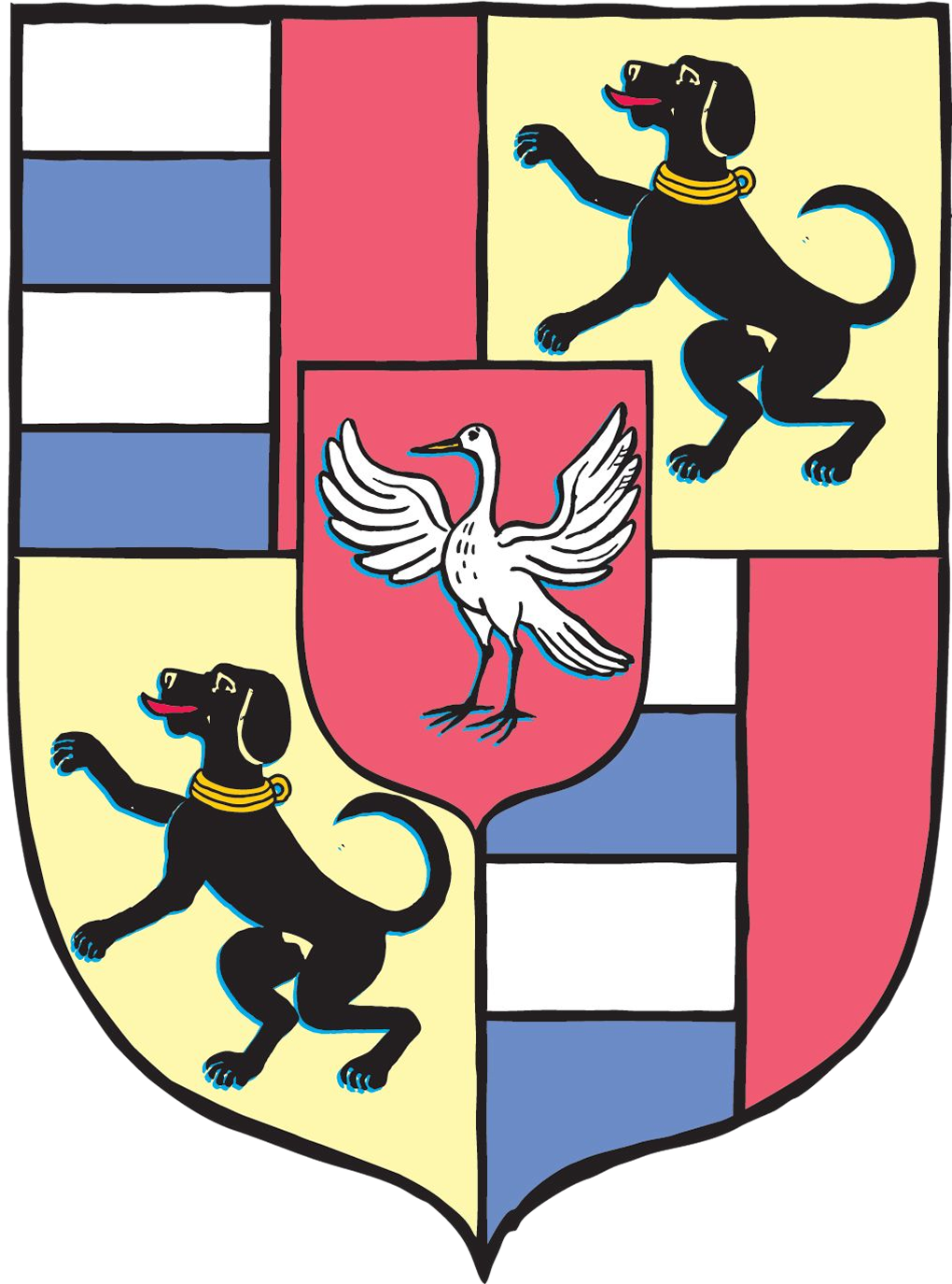
Johann Andreas was only a few months old when he lost his mother, and just two years later he lost his father as well. Yet his father’s decisions secured the family’s continued rise in status. In 1630, Johann Andreas and his uncle Dietrich of Žužemberk were raised to imperial counts.
As the family’s only male heir, Johann Andreas began thinking early about marriage and the continuation of the lineage. He found his wife, Anna Elisabetha, in the Carniolan noble family of Lamberg. Since the two were cousins, they required papal dispensation to marry. The permission was granted in 1637 by Pope Urban VIII, and the couple married two years later. Together they had ten children.
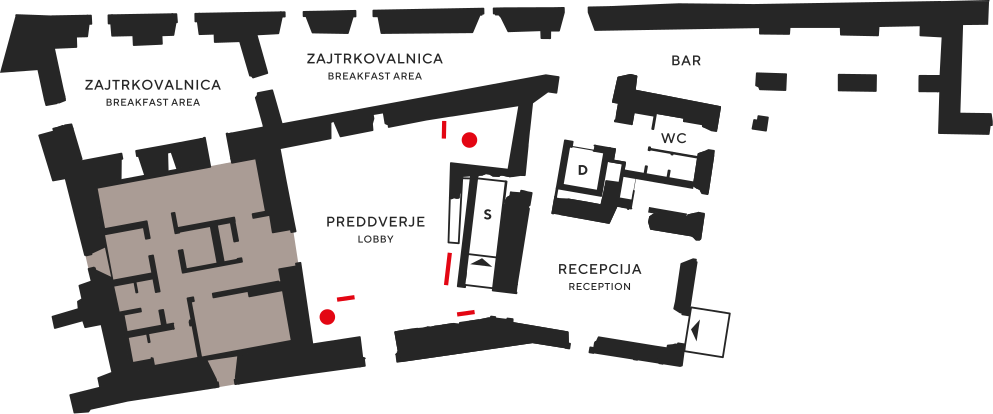
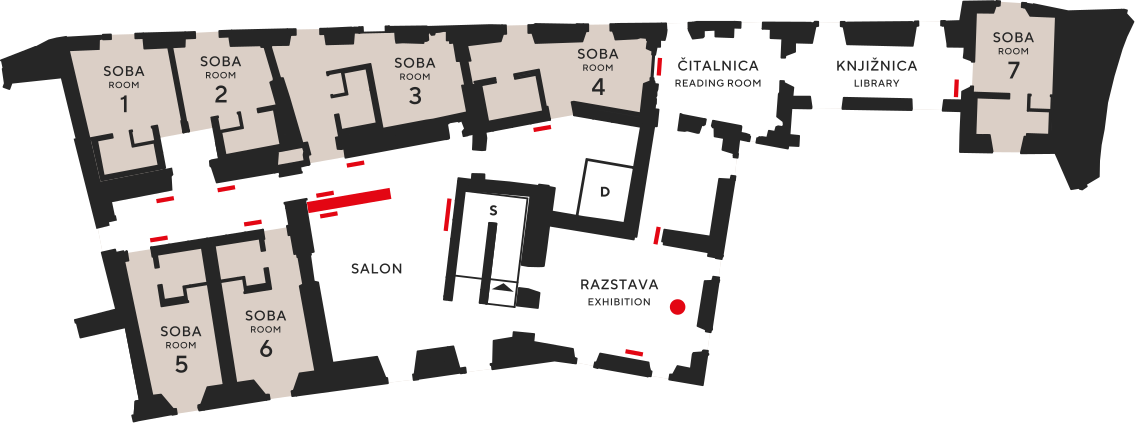
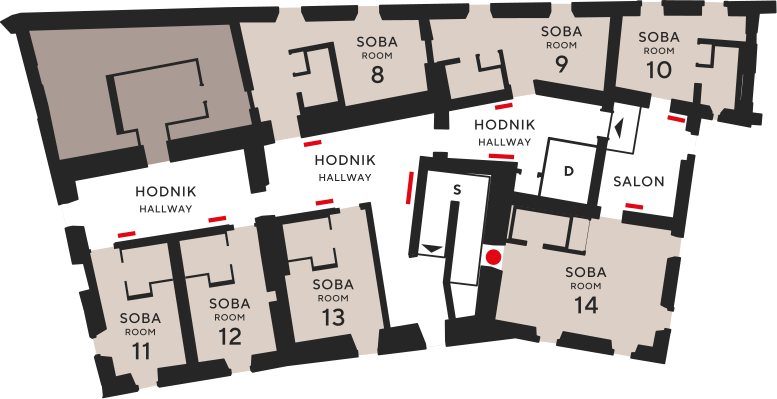
Under Johann Andreas, Turjak Castle lost its role as the principal residence of the Auersperg family. The count, who also served as provincial governor, preferred to reside in his palace in Ljubljana and at Dragomelj Castle, which Anna Elisabetha had brought into the marriage as part of her dowry.
More about the Auersperg family in the mid-17th century
Mid-17th century: entry into the ranks of counts and princes
Climbing the Social Ladder
Johann Andreas, the head of the main line of the Auerspergs, and his uncle Dietrich of Žužemberk were raised to imperial counts in 1630. With this promotion, they gained the right to use the honorific prefix “the Noble”, and the emperor also confirmed an improved family coat of arms.
Unlike his more ambitious relatives from Žužemberk, Johann Andreas was not particularly driven. In his career, he settled for the position of provincial commissioner, which, while not insignificant, was modest compared to the achievements of his cousins.
Among the Žužemberk branch, Johann Weikhard stands out. Born in the same year as Johann Andreas, he eventually rose to the imperial court, where in September 1653 he was elevated by the emperor to the rank of Prince of the Holy Roman Empire.
Life in a Baroque Palace Instead of a Castle
Johann Andreas seems to have preferred spending his time in the family palace in Ljubljana, fully embracing aristocratic lifestyle trends of his time. Old, fortified castles were becoming increasingly impractical, as they were both distant from administrative centres and less suited to social life. Inventories show that both the palace in Ljubljana and Dragomelj Castle – brought into the family through the dowry of his wife Anna Elisabetha – were far more richly and comfortably furnished than Turjak Castle. After its reconstruction and expansion, the Ljubljana residence became a baroque palace befitting the family’s status and the era.
As a result, Turjak lost its role as the main residence. The Auerspergs did not return to live there permanently until the 19th century.