The First Princely Couple of the Auersperg Family
Born in Žužemberk, Johann Weikhard was sent by his father Dietrich to Munich, where he was expected to pursue a career at the Bavarian court. Instead, his path led him to the imperial court in Vienna.
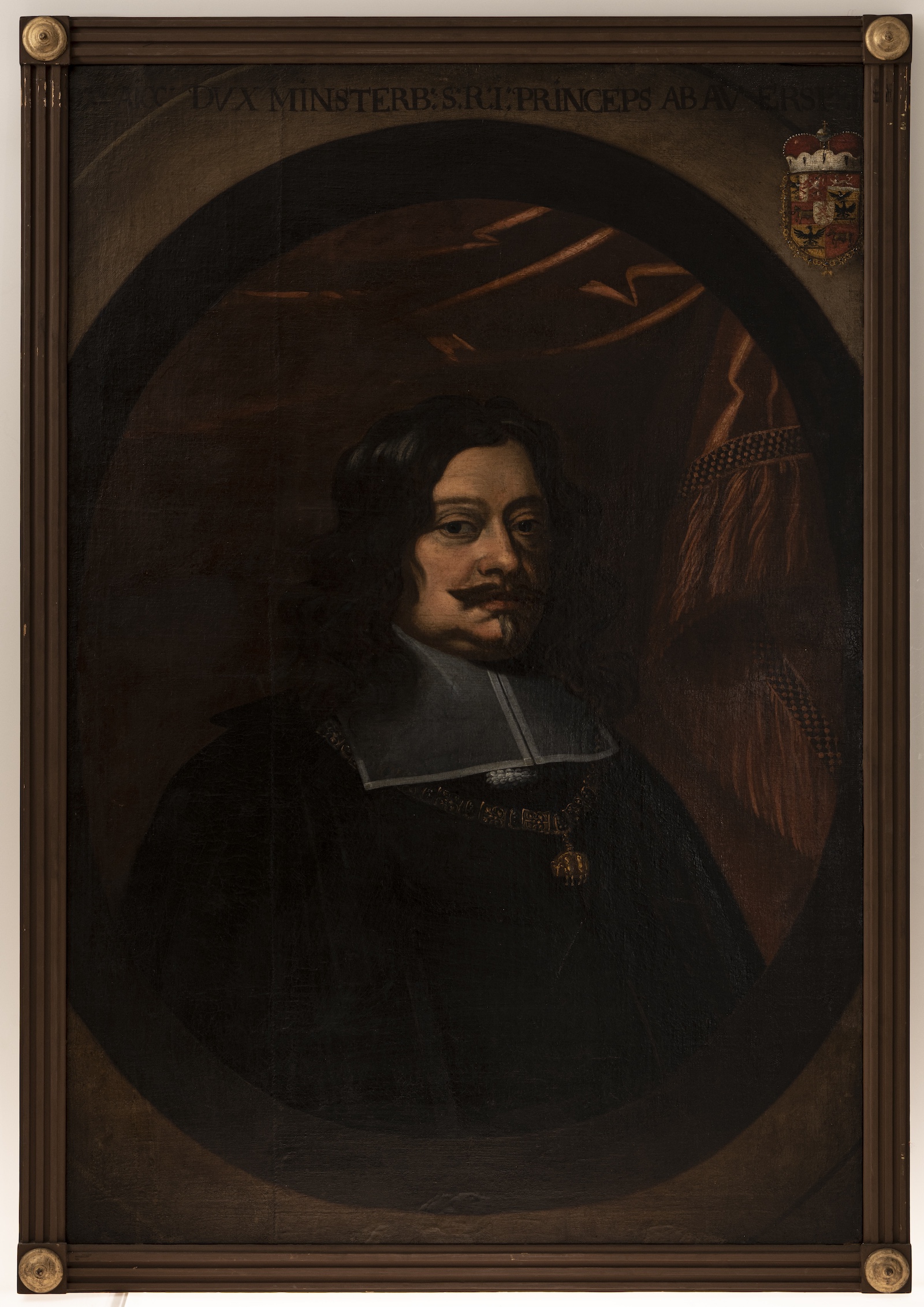
Emperor Ferdinand III entrusted Johann Weikhard with numerous diplomatic missions, including some of the most sensitive negotiations of his reign, among them the conclusion of the Peace of Westphalia in 1648. In 1653, the emperor raised him to Imperial Prince of the Holy Roman Empire, granting him the honorific style Highborn.
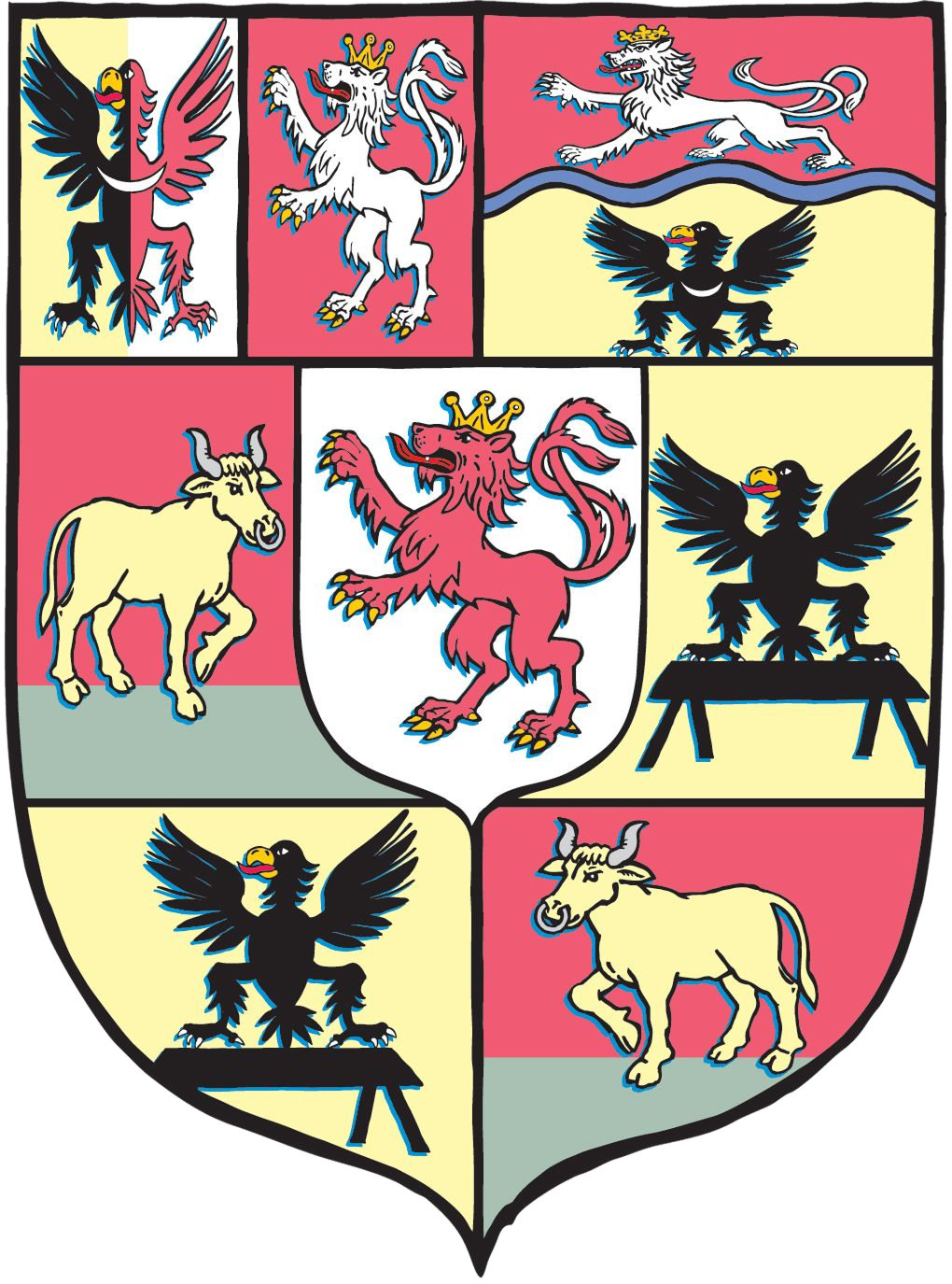
In 1654, the first member of the Auersperg family to receive the princely title married Marie Katharine of Losenstein. Just days before his death, he converted all his estates into a fideicommissum, an indivisible hereditary estate. Should his own line die out in the male line, the inheritance was to pass to his nephews and the Turjak branch of the family, and ultimately, if necessary, to the Austrian branch of the Auerspergs.
More about the life and career of the first prince
Second half of the 17th century: a prince's concern for preserving the family estates
A Diplomat and Prince Who Sought a Cardinal’s Hat
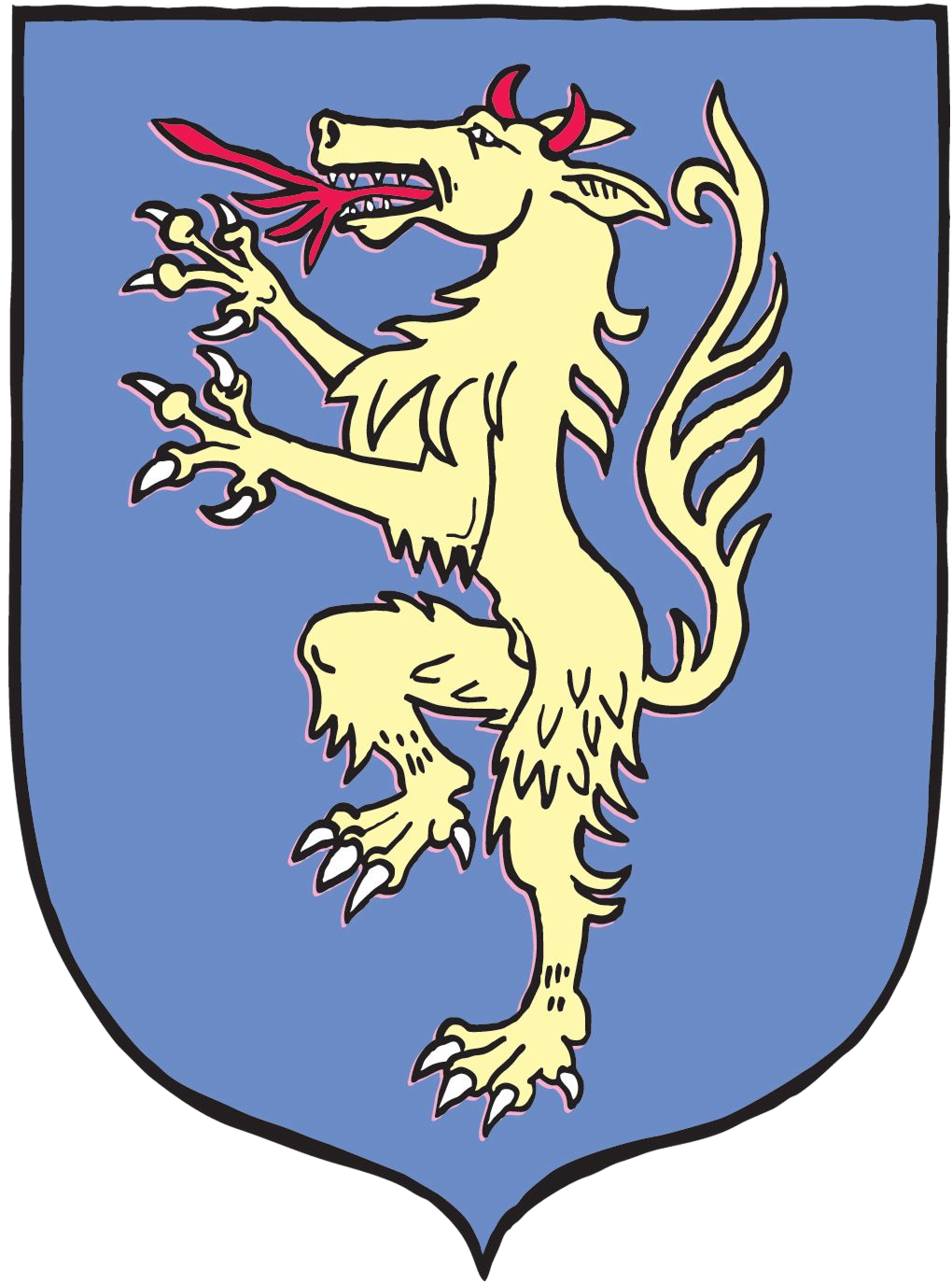
Johann Weikhard was the head of the Žužemberk branch of the Auersperg family. He inherited the title of count from his father Dietrich, but it was through the emperor’s trust and his own distinguished diplomatic service that he was elevated to the rank of prince.
He proved himself a capable adviser to Emperor Ferdinand III. Among other achievements, he took part in the negotiations that brought the Thirty Years’ War to an end and led to the Peace of Westphalia in 1648. Johann Weikhard’s influence grew to such an extent that he often played a decisive role in shaping the court’s foreign policy. He became one of the emperor’s closest advisers, and Ferdinand III entrusted him with the education of his son, Ferdinand IV. Johann Weikhard carefully prepared the young archduke for his future role as heir to the throne, but Ferdinand died unexpectedly in 1654 and never succeeded his father. By then, Johann Weikhard had already been elevated to the rank of Imperial Prince of the Holy Roman Empire. As a prince, he received the County of Wels from the emperor, together with the right to mint his own coins.
Three years later, in 1657, his patron Emperor Ferdinand III died. The new emperor, Leopold I, did not place the same degree of trust in Johann Weikhard as his father had done. Although he retained him in the office of Lord High Steward, he substantially reduced his income.
Pushed to the margins of the emperor’s inner circle, Johann Weikhard turned once again to an old ambition: obtaining a cardinal’s hat. In pursuit of this goal, he even sought the support of King Louis XIV of France, thereby falling out of favour with Emperor Leopold I.
A Return to Carniola and the Stewardship of Family Estates
Johann Weikhard was forced to leave Vienna and withdraw to his County of Wels. With the emperor’s permission, he later returned to Carniola with his family. He divided his time between staying with his brother in Ljubljana and residing at Žužemberk Castle. After years spent amid the splendour of the imperial court, he devoted his later life to theological and philosophical studies and to the management of the family’s estates.
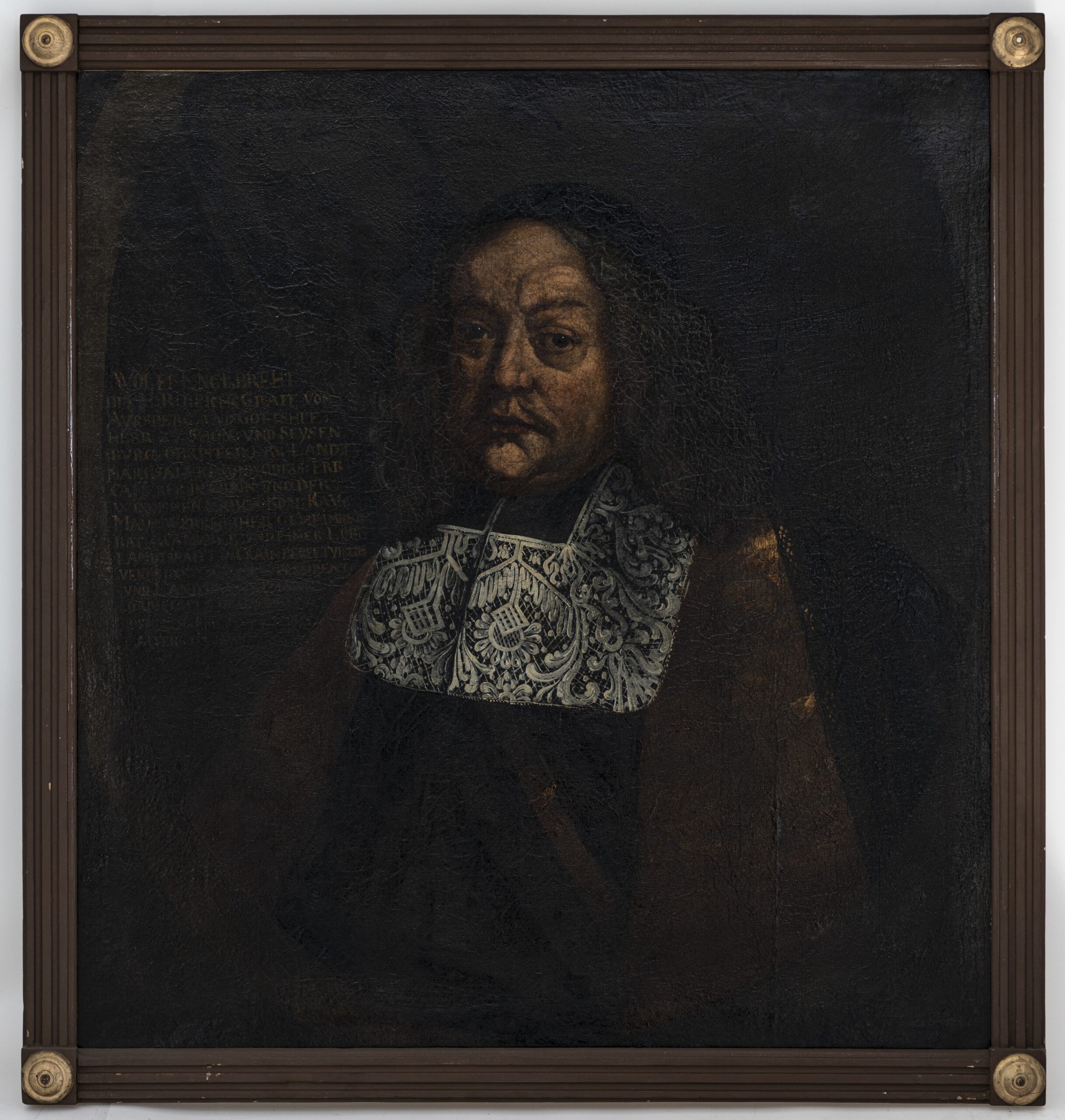
Using both his accumulated wealth and the pension he continued to receive, he expanded the family’s holdings. In Istria, he acquired the lordships of Pazin, Paz, and Belaj. In 1669, he purchased the lordships of Postojna, Lož, and Snežnik in Inner Carniola. Following the death of his brother Wolf Engelbert (1610–1673), he also inherited the remaining possessions of the Žužemberk branch, including the family’s second palace in Ljubljana, which thereafter became known as the Princely Palace.
Johann Weikhard’s determination to keep these estates and assets within the family reflects the strong sense of kinship that united the various branches of the Auersperg family. Only a few days before his death, he laid down a clear order of succession. If his own branch produced no surviving male heirs, his nephews were to inherit. Should their line also die out, the estates were to pass to the descendants of Johann Andreas of Turjak. As a final safeguard, he designated the relatives of the Austrian branch at Purgstall as successors if all the other lines failed. In the end, these precautions proved unnecessary.