A Hero and a Reformer
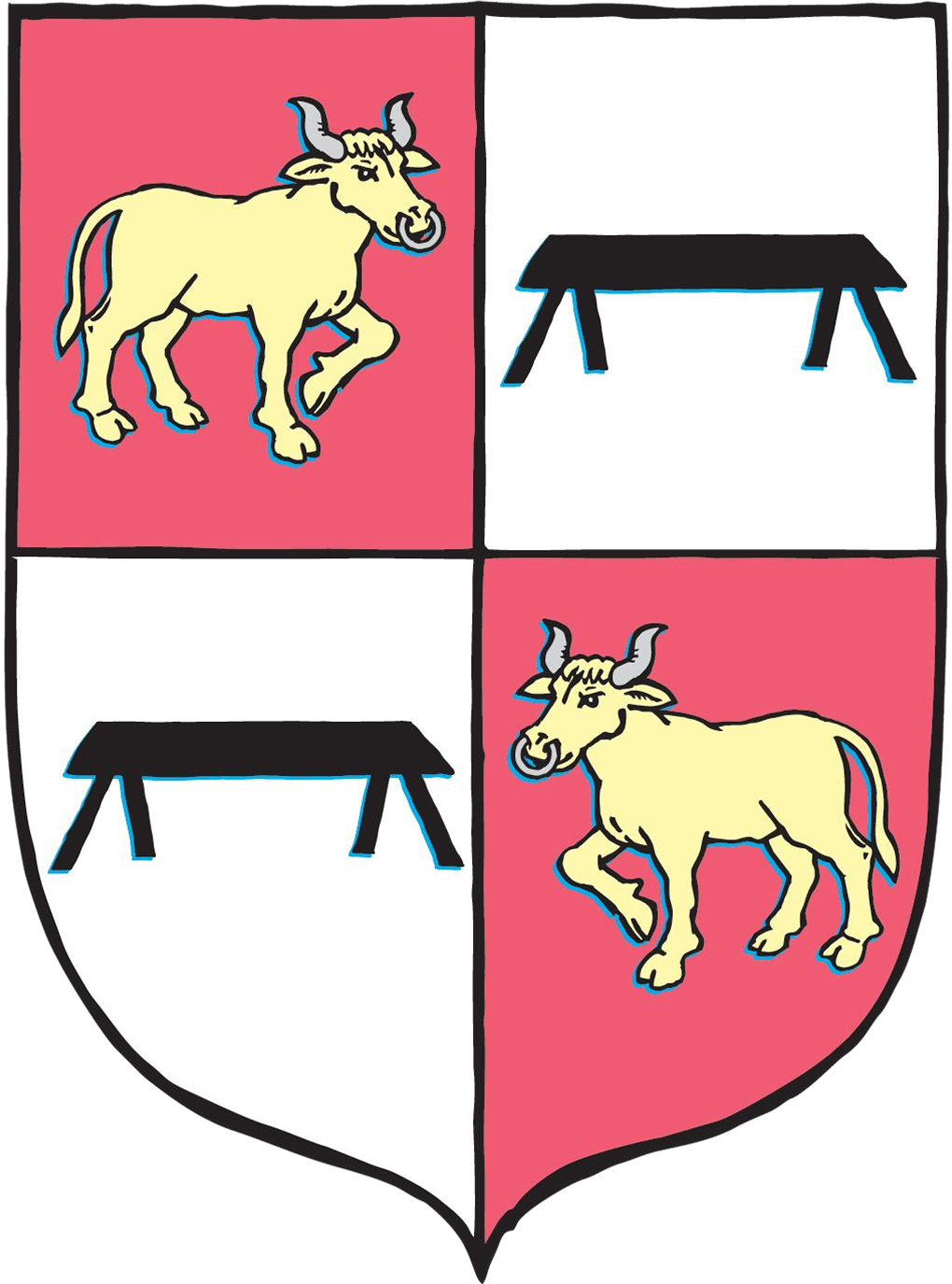
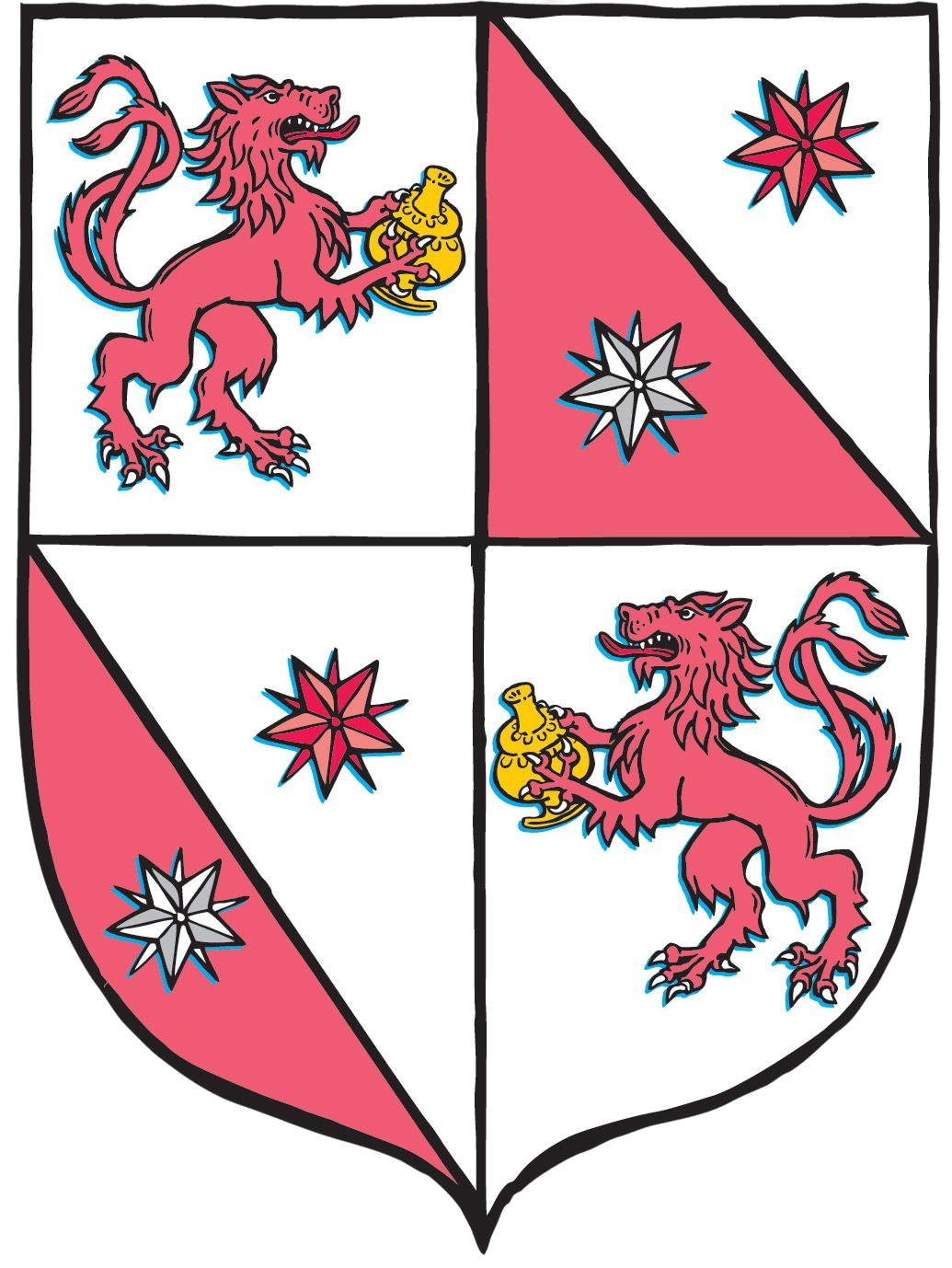
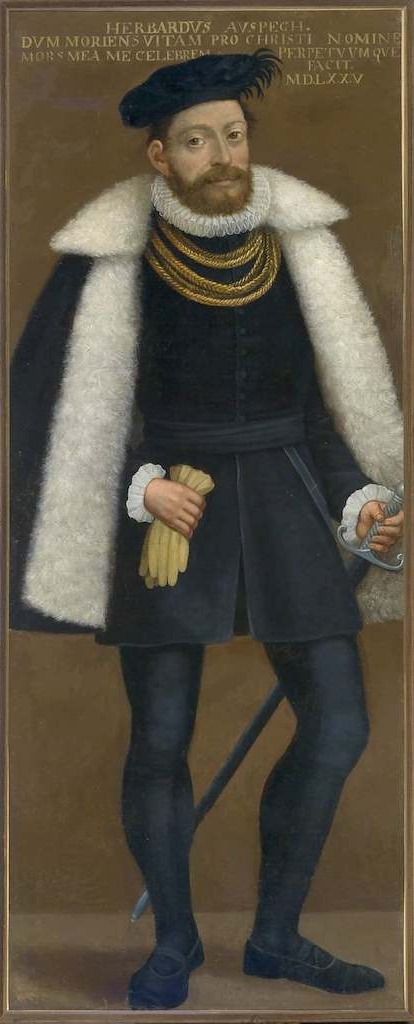
Herbard, heir to Trojan of Auersperg, was a committed supporter of Protestantism. In 1549, he married Maria Christina of the Tyrolean noble family Spaur, further extending the family’s network of aristocratic alliances. He continued the renovation of Turjak Castle, restoring its status as the main residence of the Auersperg family. He also held the pledged lordship of Bled. Raised in a Catholic environment, Maria Christina embraced the Reformation after settling in Carniola. In 1561, during her husband’s absence, she received Primož Trubar, then the leading figure of Protestantism in Carniola, at Bled Castle. Two years later, the first Slovenian Protestant Reformer baptised Herbard’s nephew at Turjak Castle.
Their support for Protestantism ultimately cost the family its long-held pledge over Bled. In 1574, the Bishop of Brixen granted it to a staunch opponent of the Reformation. Herbard himself fell in battle against the Ottoman army the following year.
More about Baron Herbard
Mid-16th century: pillars of defence
A Hero, Statesman, and Devout Protestant
Herbard VIII of Auersperg went down in history of Carniola as one of the most distinguished members of the Auersperg family. He became a hero of Carniola and a statesman, as described by the historian Peter von Radics.
He was raised in a family environment sympathetic to the Reformation. He also promoted Protestantism on his estates among his subjects. In the parish of Škocjan, he appointed a Protestant preacher, while on the leased estate of Bled, held from the Prince-Bishop of Brixen, he relied on the local parish priest, who also helped spread the new faith among the population of Upper Carniola.
Advancement in Military Service
Alongside his religious commitment, Herbard demonstrated equal dedication in military service and the defence of the Empire. Returning to Carniola as an eighteen-year-old, he entered service in the border troops of the Empire. During the Ottoman incursions, he distinguished himself repeatedly and quickly rose to the position of Captain of Senj, and later to deputy commander of the Military Frontier under Ivan Lenković.
In battles against Ottoman forces, in alliance with Ban of Croatia, Count Erdődy, he achieved notable victories at Novigrad, Kostajnica, and in the Sanjak of Pojega. These successes led to his appointment as Governor of Carniola in 1566, and later to his promotion to commander-in-chief of the Croatian Military Frontier.
Earlier, likely also in recognition of his father Trojan’s role in the defence of Vienna during the Ottoman siege of 1529, Emperor Ferdinand I elevated the Auersperg brothers Herbard and Dietrich to the hereditary baronial title in 1550.
Heroes of the Anti-Ottoman Defence
Herbard VIII might have achieved even greater fame had his life not ended in battle in 1575. As commander of the Military Frontier, he engaged Ottoman forces on 22 September at the Battle of Budački. Herbard and his kinsman Friderik of Višnjagora were killed in the fighting, while others were taken prisoner and sent to Constantinople. The severed heads of the two nobles were also taken as spoils of war. A high ransom was later paid by the Auerspergs for the return of the heads, as well as for Herbard’s captured son, Wolf Engelbert. According to tradition, part of this ransom was used by Ferhad Pasha of Banja Luka to construct the Ferhadija Mosque, which was named after him.
Herbard’s death shocked Carniola, and he was remembered as one of the enduring heroes of the defence against the Ottoman incursions. Eighteen years later, another member of the family joined their ranks: Andreas of Auersperg from the Šumberk branch helped lead the imperial army to victory at the Battle of Sisak in 1593 as one of its commanders.